
Integrating HBOT into Surgical Practice
A Practical Framework for Using Hyperbaric Oxygen in Tissue Salvage, Reconstruction, Trauma, Infection, and Radiation-Damaged Wounds Hyperbaric oxygen therapy, commonly
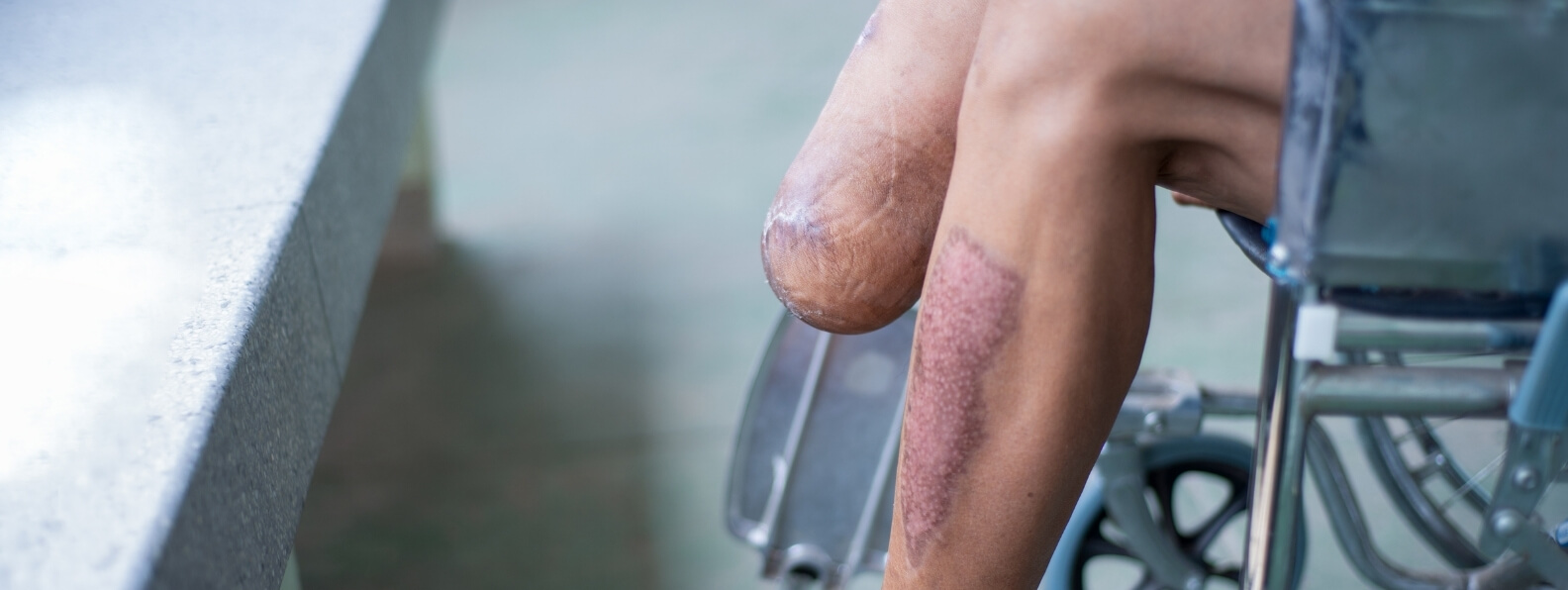
Chronic wounds and limb-threatening tissue injury remain major clinical challenges across vascular medicine, wound care, podiatry, infectious disease, and surgery. Despite advances in wound management, diabetic complications, peripheral arterial disease, infection, and tissue hypoxia continue to contribute significantly to morbidity, hospitalization, and lower extremity amputation.
Patients with diabetes, peripheral arterial disease, severe infection, venous insufficiency, or traumatic injury may develop wounds characterized by impaired perfusion, persistent inflammation, bacterial burden, and compromised healing capacity. In many cases, these wounds exist within a physiologically hypoxic environment where oxygen delivery is insufficient to support normal cellular repair processes. Tissue ischemia, microvascular compromise, chronic edema, neuropathy, osteomyelitis, and impaired immune response can all contribute to delayed healing and progressive tissue breakdown.
As wounds advance, the risk of systemic infection, hospitalization, major amputation, and long-term disability increases substantially. Modern limb salvage programs are designed to preserve tissue viability, control infection, optimize perfusion, and promote healing through coordinated multidisciplinary care pathways.
Hyperbaric Oxygen Therapy (HBOT) is commonly incorporated into selected limb salvage programs as an adjunctive treatment for complex wounds and compromised tissue.
During HBOT treatment, patients breathe medical-grade oxygen within a pressurized chamber, allowing oxygen to dissolve into plasma at significantly increased concentrations compared to normal atmospheric conditions. This process may improve oxygen delivery to hypoxic tissue beds with limited vascular supply and impaired healing potential.
The physiologic rationale for HBOT in limb salvage centers on the critical role oxygen plays in cellular metabolism and tissue repair. Adequate oxygenation is essential for fibroblast proliferation, collagen synthesis, angiogenesis, leukocyte oxidative killing, and epithelialization. In compromised wounds where oxygen delivery is insufficient, these healing mechanisms may become significantly impaired.
Hyperbaric Oxygen Therapy may support tissue oxygenation, angiogenesis, leukocyte function, edema reduction, and overall wound healing response in carefully selected patients. HBOT is typically integrated alongside standard wound care, vascular evaluation, infection management, glycemic control, offloading strategies, nutritional optimization, surgical intervention, and ongoing physician oversight.
Diabetic foot ulcers remain one of the most common conditions associated with hyperbaric medicine and limb preservation programs.
Patients with diabetes frequently experience a combination of peripheral neuropathy, microvascular disease, peripheral arterial insufficiency, immune dysfunction, and impaired wound healing capacity. These factors contribute to chronic tissue hypoxia and increased susceptibility to infection, tissue necrosis, and progressive wound deterioration.
In advanced diabetic wounds, particularly those involving deep tissue infection, osteomyelitis, exposed structures, or failure to heal despite standard wound care, oxygen delivery may become critically impaired. Without aggressive multidisciplinary management, these wounds may progress toward major amputation.
In carefully selected patients, particularly those presenting with Wagner Grade III or higher diabetic foot ulcers, HBOT may be incorporated into comprehensive treatment plans intended to support tissue healing and reduce complications associated with chronic wounds. Clinical decision-making typically includes evaluation of vascular status, tissue viability, infection severity, prior wound response, surgical planning, and overall patient condition.
HBOT is not considered a standalone intervention and is generally most effective when integrated into a coordinated wound management strategy.
Many limb-threatening wounds involve complex polymicrobial infection and chronic osteomyelitis. Tissue hypoxia may impair leukocyte function, reduce antibiotic penetration, and create an environment favorable to bacterial proliferation and chronic inflammation.
Hyperbaric Oxygen Therapy may support infection management by improving oxygen-dependent leukocyte activity and enhancing oxidative bacterial killing mechanisms. Increased tissue oxygen tension may also support healing in compromised tissue surrounding areas of chronic infection.
HBOT is sometimes incorporated into treatment plans for chronic refractory osteomyelitis as part of a multidisciplinary approach involving infectious disease management, surgical debridement, vascular optimization, and long-term antimicrobial therapy.
Successful limb salvage programs rely on coordinated multidisciplinary care involving multiple clinical specialties working together to address the underlying contributors to tissue loss and impaired healing.
These programs often include collaboration among wound care physicians, vascular surgeons, podiatric surgeons, infectious disease specialists, endovascular specialists, hyperbaric medicine physicians, rehabilitation teams, and reconstructive surgical services. Treatment planning may involve revascularization procedures, debridement, advanced wound therapies, pressure redistribution, infection control, nutritional support, glycemic management, and Hyperbaric Oxygen Therapy.
HBOT is not intended to replace standard medical or surgical treatment but may serve as an important adjunctive therapy within a comprehensive limb preservation pathway.
As healthcare systems continue focusing on outcomes, limb preservation, value-based care, and advanced wound management, hyperbaric medicine remains an important component of many comprehensive wound care programs.
Ongoing research continues to evaluate patient selection criteria, clinical outcomes, wound healing response, cost-effectiveness, and long-term limb preservation strategies associated with HBOT. Advances in vascular intervention, wound diagnostics, imaging, and multidisciplinary care coordination continue shaping the evolving role of hyperbaric medicine in modern wound care.
House of Hyperbaric is committed to supporting evidence-informed education and advancing physician awareness surrounding Hyperbaric Oxygen Therapy and contemporary wound care practices.
Continue exploring physician resources, HBOT education, clinical indications, and research through House of Hyperbaric.
A Practical Framework for Using Hyperbaric Oxygen in Tissue Salvage, Reconstruction, Trauma, Infection, and Radiation-Damaged Wounds Hyperbaric oxygen therapy, commonly
A Hospital Blueprint for Coordinated Diagnosis, Limb Preservation, Advanced Treatment, Hyperbaric Medicine, and Measurable Outcomes A multidisciplinary wound care program