

Integrating HBOT into Surgical Practice
A Practical Framework for Using Hyperbaric Oxygen in Tissue Salvage, Reconstruction, Trauma, Infection, and Radiation-Damaged Wounds Hyperbaric oxygen therapy, commonly
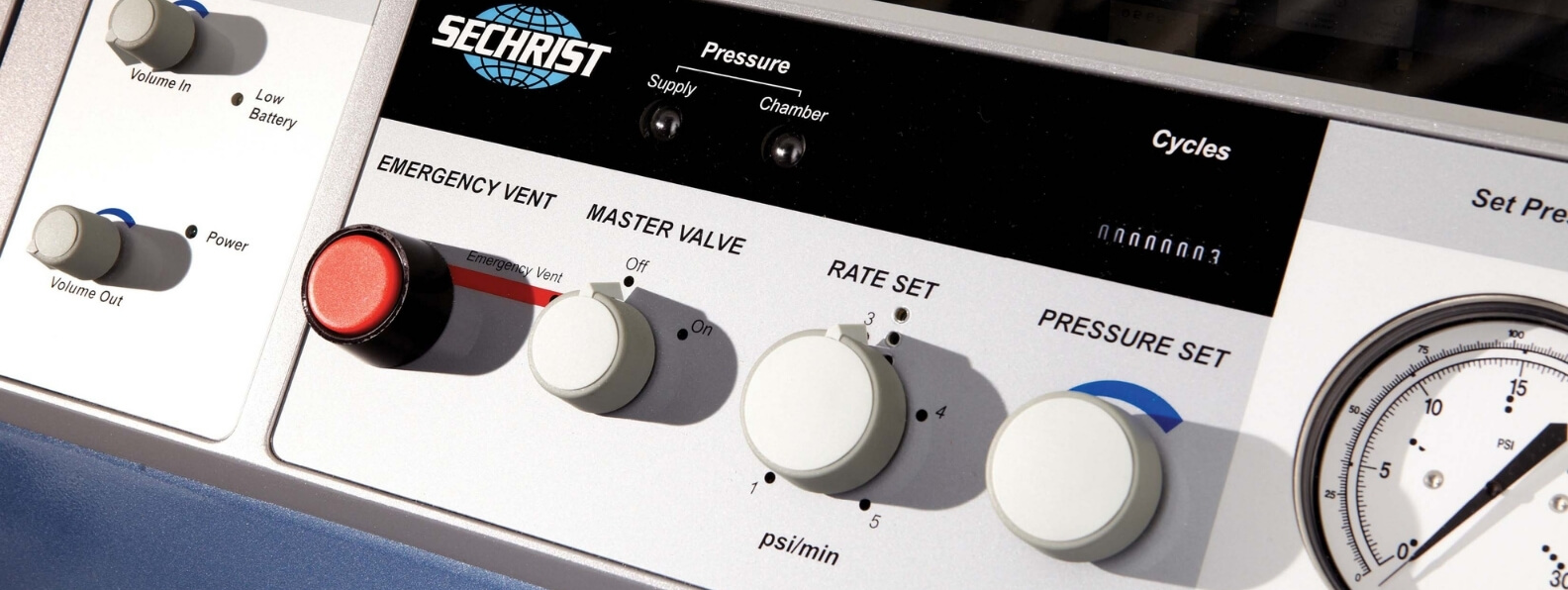
Hyperbaric oxygen therapy, commonly abbreviated as HBOT, is a medical treatment in which a patient breathes 100 percent oxygen while exposed to an ambient pressure greater than normal atmospheric pressure. Depending on the chamber design, oxygen may be delivered directly within a monoplace chamber or through a mask or hood inside a pressurized multiplace chamber.
The therapeutic effect is not produced by oxygen or pressure alone. HBOT works through the interaction of increased ambient pressure, elevated oxygen partial pressure, altered gas behavior, improved oxygen diffusion, and a series of cellular responses to controlled hyperoxia. These mechanisms can be used to address markedly different clinical problems, from intravascular gas bubbles to hypoxic wounds and delayed radiation injury.
Under normal conditions, most oxygen in the blood is carried by hemoglobin. Only a small amount is physically dissolved in the plasma. Because hemoglobin is already close to fully saturated in healthy arterial blood, simply increasing the inspired oxygen concentration has a limited effect on hemoglobin-bound oxygen.
HBOT changes this relationship by substantially increasing the partial pressure of oxygen in the lungs and arterial circulation. According to Henry’s law, the amount of a gas that dissolves in a liquid is proportional to that gas’s partial pressure. As oxygen pressure rises inside the chamber, considerably more oxygen dissolves directly into the plasma and other body fluids.
This oxygen-rich plasma can travel through the circulation and establish a stronger diffusion gradient between functioning capillaries and nearby tissues. That gradient is clinically important in areas where oxygen delivery has been impaired by edema, vascular injury, radiation damage, infection, or compromised microcirculation. It allows oxygen to diffuse farther from the capillary and reach viable but hypoxic tissue that may not be adequately supported under normal atmospheric conditions.
HBOT does not restore blood flow through an obstructed artery or revive irreversibly necrotic tissue. Instead, it can temporarily increase the oxygen available to threatened tissue while the underlying cause is addressed through surgery, revascularization, infection control, wound care, or other appropriate interventions.
Pressure itself has a direct therapeutic role, particularly when abnormal gas bubbles are present in the bloodstream or tissues.
Boyle’s law describes the inverse relationship between pressure and gas volume. When ambient pressure increases inside a hyperbaric chamber, the volume of a gas bubble decreases. This effect is central to the treatment of decompression sickness and arterial gas embolism, where bubbles can obstruct blood flow, damage the endothelium, and initiate inflammatory responses.
Breathing oxygen at increased pressure also creates concentration gradients that promote the elimination of inert gases such as nitrogen. In carbon monoxide poisoning, high oxygen partial pressures accelerate the displacement and elimination of carbon monoxide while improving oxygen availability to tissues. HBOT may also influence inflammatory and oxidative processes that continue after carboxyhemoglobin levels begin to fall.
For these acute conditions, HBOT is therefore doing more than increasing oxygen delivery. It is also changing gas volume, gas solubility, and the rate at which unwanted gases leave the body.
One of the more counterintuitive effects of hyperbaric oxygen is vasoconstriction. High oxygen tensions can cause arterioles in certain tissues to constrict, reducing regional blood flow.
Under ordinary circumstances, reduced blood flow could worsen tissue hypoxia. During HBOT, however, the oxygen content of plasma is markedly elevated. This allows oxygen delivery to remain high despite a decrease in blood flow.
The resulting vasoconstriction can help limit fluid leakage and reduce tissue edema. As swelling decreases, the distance oxygen must travel between the capillary and the cell may also decrease. This can be particularly relevant in crush injury, compromised grafts and flaps, burns, and other conditions in which edema contributes to microvascular compression and progressive tissue ischemia.
HBOT may also reduce neutrophil adhesion to injured endothelium. Excessive leukocyte-endothelial interaction is an important component of ischemia-reperfusion injury and can contribute to capillary obstruction, endothelial damage, and secondary inflammation. By modifying this response, HBOT may help preserve the microcirculation after an ischemic event.
Oxygen is not only a metabolic substrate. It also participates in cellular signaling.
Exposure to hyperbaric oxygen temporarily increases the production of reactive oxygen species and reactive nitrogen species. Although these molecules are often discussed exclusively as sources of oxidative damage, they also function as signaling intermediates. In controlled amounts, they can influence gene expression, inflammatory activity, endothelial function, antioxidant defenses, and growth-factor pathways.
This is why HBOT is delivered intermittently rather than continuously. A prescribed oxygen dose is followed by a return to normal atmospheric oxygen levels, allowing therapeutic signaling to occur while limiting oxygen toxicity. Some protocols also incorporate scheduled air breaks to reduce cumulative central nervous system oxygen exposure.
Research suggests that these controlled oxidative signals contribute to several effects associated with HBOT:
These responses are dose dependent. More pressure, more oxygen, or longer exposure does not automatically produce a better therapeutic result. The clinical objective is to deliver an appropriate oxygen dose for the diagnosis while remaining within established safety parameters.
Many chronic or complex wounds remain hypoxic because of impaired perfusion, edema, inflammation, infection, or damage to small blood vessels. Hypoxia can interfere with several oxygen-dependent steps required for normal tissue repair.
Fibroblast activity, collagen formation, leukocyte function, and extracellular matrix development all depend to varying degrees on adequate tissue oxygenation. By repeatedly raising tissue oxygen tension, HBOT can create periods during which these processes function more effectively.
The immediate effect of a treatment is temporary hyperoxygenation. The longer-term objective of a treatment course is different. Repeated exposures may stimulate angiogenic signaling and support the formation of new capillary networks in selected hypoxic tissues. As vascular density improves, tissue may become better able to maintain oxygenation between treatments and after the treatment course has ended.
This is particularly relevant in tissues affected by radiation. Radiation injury can cause progressive endarteritis, fibrosis, reduced capillary density, and chronic tissue hypoxia. In this setting, HBOT is generally used as a series of treatments intended to support vascular and tissue remodeling rather than as a single oxygen exposure.
HBOT should not be viewed as a replacement for comprehensive wound management. Appropriate care may still require:
The best outcomes occur when HBOT is integrated into a coordinated treatment plan that addresses the cause of tissue injury, not merely the visible wound.
The relationship between oxygen and infection is complex. HBOT is not a general-purpose antibiotic and should not be presented as a stand-alone treatment for infection. Its antimicrobial effects depend on the organism, the tissue environment, the host response, and the accompanying surgical and medical care.
Elevated oxygen tensions can directly inhibit or damage certain anaerobic organisms. HBOT may also improve oxygen-dependent microbial killing by neutrophils, which can become impaired in severely hypoxic tissue.
For selected serious infections, HBOT may be used as an adjunct to surgical source control and appropriate antimicrobial therapy. It may also influence edema, toxin activity, inflammatory injury, and antibiotic effectiveness in specific clinical settings. These mechanisms do not eliminate the need for urgent debridement, culture-directed antibiotics, hemodynamic support, or other established standards of care.
There is no single mechanism that explains every clinical use of hyperbaric oxygen therapy. The relative importance of pressure, oxygen delivery, inflammation control, antimicrobial activity, and tissue remodeling varies by diagnosis.
For example:
These differences explain why HBOT protocols are not interchangeable. Treatment pressure, oxygen exposure time, air breaks, treatment frequency, and the total number of sessions should be selected according to the condition, clinical urgency, treatment response, and patient-specific risk factors.
HBOT is a prescription medical treatment that requires appropriate patient selection, equipment, monitoring, and trained personnel.
Pressure changes can affect air-containing spaces in the ears, sinuses, lungs, and gastrointestinal tract. Middle-ear barotrauma is among the most frequently encountered adverse effects. Other potential complications include sinus discomfort, temporary changes in vision, pulmonary oxygen toxicity, and oxygen-induced seizure. An untreated pneumothorax is generally considered an absolute contraindication because pressure changes can expand trapped pleural gas during decompression.
The oxygen-rich treatment environment also requires strict fire-safety controls. Clothing, dressings, medical equipment, personal items, chamber maintenance, electrical grounding, and staff training must follow established hyperbaric safety requirements. In an August 25, 2025 safety communication, the FDA emphasized manufacturer instructions, fire prevention, patient supervision, equipment maintenance, and staff training following reports of serious hyperbaric chamber incidents.
Patients should be evaluated for pulmonary disease, difficulty equalizing ear pressure, seizure risk, medication interactions, implanted devices, glucose-management needs, and other factors that may influence treatment. The purpose of screening is not merely to determine whether a patient can enter the chamber. It is to ensure that the anticipated benefit, treatment protocol, and safety plan are appropriate for that individual.
Hyperbaric oxygen therapy works by temporarily changing the physical and biochemical environment of the body. Increased pressure compresses gas, elevated oxygen partial pressure increases plasma oxygen content, hyperoxia alters vascular behavior, and controlled oxidative signaling influences inflammation and tissue repair. When applied to an evidence-supported condition as part of a coordinated medical plan, these mechanisms can help protect threatened tissue and support healing processes that are limited by hypoxia.
A Practical Framework for Using Hyperbaric Oxygen in Tissue Salvage, Reconstruction, Trauma, Infection, and Radiation-Damaged Wounds Hyperbaric oxygen therapy, commonly
A Hospital Blueprint for Coordinated Diagnosis, Limb Preservation, Advanced Treatment, Hyperbaric Medicine, and Measurable Outcomes A multidisciplinary wound care program