

Integrating HBOT into Surgical Practice
A Practical Framework for Using Hyperbaric Oxygen in Tissue Salvage, Reconstruction, Trauma, Infection, and Radiation-Damaged Wounds Hyperbaric oxygen therapy, commonly
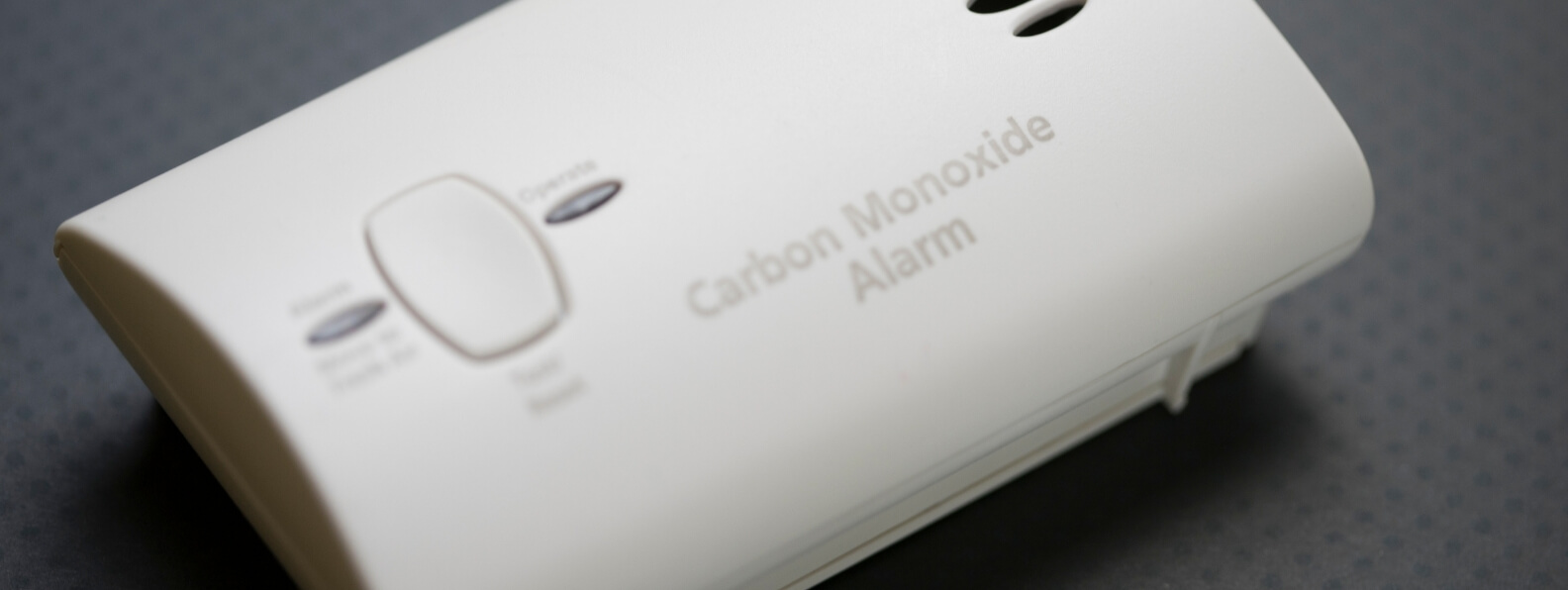
Carbon monoxide poisoning is a medical emergency that can injure the brain, heart, and other oxygen-dependent organs even when the patient appears to improve after leaving the exposure environment.
Immediate treatment begins with removal from the carbon monoxide source, stabilization of the airway and circulation, and administration of 100 percent oxygen. Hyperbaric oxygen therapy, commonly abbreviated as HBOT, may then be considered for selected patients with significant neurologic, cardiac, metabolic, or exposure-related risk.
Carbon monoxide poisoning is a recognized hyperbaric indication, but the decision to use HBOT is not based on a single laboratory value. Carboxyhemoglobin concentration, symptoms, loss of consciousness, cardiac injury, pregnancy, exposure duration, treatment delay, and the availability of a qualified hyperbaric facility must all be considered together. (CDC)
Carbon monoxide is a colorless and odorless gas produced by incomplete combustion. Common exposure sources include generators, furnaces, motor vehicles, charcoal grills, propane appliances, fires, boats, and gasoline-powered tools used in enclosed or poorly ventilated areas. Multiple people from the same location may become ill at the same time. (CDC)
Carbon monoxide binds to hemoglobin and interferes with the blood’s ability to transport oxygen. It also disrupts oxygen use and cellular respiration, particularly in organs with high metabolic requirements such as the brain and heart. This helps explain why a patient can experience serious neurologic or cardiac injury even after the measured carboxyhemoglobin level begins to decline. (CDC)
The clinical effects may include:
Symptoms are nonspecific and may resemble influenza, migraine, intoxication, gastroenteritis, stroke, or another acute medical condition. The absence of fever, a plausible combustion source, or several people with similar symptoms should raise suspicion for carbon monoxide exposure. (CDC)
Every patient with suspected clinically significant carbon monoxide poisoning should receive high-concentration oxygen promptly. Oxygen should not be delayed while waiting for laboratory confirmation, imaging, toxicology consultation, or acceptance by a hyperbaric facility.
The CDC recommends administering 100 percent oxygen until the patient is symptom-free, commonly for approximately four to five hours, while performing serial neurologic examinations. Airway management, circulatory support, seizure treatment, glucose correction, trauma care, and management of cardiac or pulmonary complications should proceed simultaneously when required. (CDC)
HBOT is an escalation of oxygen treatment rather than a replacement for emergency stabilization. A patient who requires intubation, treatment of hypotension, management of an acute coronary syndrome, or evaluation of associated trauma should receive that care before and during transfer planning.
Early communication with a medical toxicologist, regional poison center, and hyperbaric physician can help determine whether chamber treatment is appropriate. The decision should consider both the severity of poisoning and the time required to reach a facility capable of safely managing the patient. The 2025 American College of Emergency Physicians clinical policy states that selected symptomatic patients may benefit from HBOT based on symptom severity and practical availability, including transport distance and time. (ACEP Now)
Diagnosis is based on the exposure history, clinical findings, and measurement of carboxyhemoglobin through co-oximetry.
Venous or arterial blood can be used for carboxyhemoglobin measurement. A conventional two-wavelength pulse oximeter is not reliable in carbon monoxide poisoning because it cannot accurately distinguish oxyhemoglobin from carboxyhemoglobin. A patient may therefore display a normal or reassuring pulse oxygen saturation despite significant poisoning. (CDC)
Timing matters. Carboxyhemoglobin begins to fall after the patient leaves the exposure site and decreases more rapidly after oxygen is administered. A low measurement obtained several hours later does not exclude a clinically important exposure.
The CDC also emphasizes that carboxyhemoglobin concentration does not correlate consistently with illness severity, clinical outcome, or response to treatment. The number should support the assessment, but it should not override neurologic findings, cardiac injury, loss of consciousness, pregnancy, or a convincing exposure history. (CDC)
A focused neurologic examination should assess mental status, memory, attention, coordination, gait, speech, motor function, and sensory findings. Brief cognitive testing can help identify abnormalities that may not be apparent during ordinary conversation. Serial examinations are useful because findings can evolve during the first several hours. (CDC)
Additional testing may include:
Cardiac assessment is particularly important. Carbon monoxide can cause myocardial ischemia, ventricular dysfunction, dysrhythmia, or biomarker elevation even in patients without known coronary artery disease. The CDC notes that cardiac injury during poisoning is associated with increased long-term mortality risk, supporting ECG and cardiac biomarker evaluation in severe cases. (CDC)
No single referral rule identifies every patient who will benefit. Hyperbaric consultation is commonly considered when one or more high-risk features are present.
The CDC identifies the following considerations:
These are consultation and treatment considerations, not absolute thresholds. A patient with a carboxyhemoglobin concentration below 25 percent may still warrant HBOT because of syncope, confusion, myocardial injury, severe acidosis, pregnancy, or prolonged exposure. Conversely, the laboratory value should be interpreted within the entire clinical picture. (CDC)
Patient age, significant anemia, chronic cardiac disease, respiratory disease, delayed presentation, and inability to complete a reliable neurologic examination may also influence the risk assessment.
During HBOT, the patient breathes oxygen while the chamber is pressurized above normal atmospheric pressure. This raises arterial oxygen tension and substantially increases the quantity of oxygen dissolved directly in plasma.
The immediate treatment goals include accelerating carbon monoxide elimination, improving oxygen delivery to vulnerable tissues, and supporting cellular metabolism while hemoglobin function recovers. HBOT may also influence the inflammatory and oxidative processes believed to contribute to delayed neurologic injury after the initial hypoxic exposure has ended. (UHMS)
The treatment is therefore intended to address more than the measured carboxyhemoglobin level. By the time the patient reaches the chamber, that level may already be much lower because of time and normobaric oxygen. The remaining clinical concern may involve ongoing brain or cardiac injury rather than the amount of carbon monoxide still circulating in the blood.
When HBOT is selected, treatment is generally pursued as early as practical after stabilization. The strongest supportive randomized trial administered the hyperbaric course within 24 hours of poisoning. Delays may occur because the exposure was initially unrecognized, the patient presented late, weather limited transport, or the nearest qualified chamber was distant. (PubMed)
Transport decisions require careful judgment. Transfer should not interrupt critical airway, cardiac, trauma, or toxicologic care. The receiving facility must be able to manage the patient’s acuity, including mechanical ventilation, vasoactive infusions, seizure risk, or associated burns when present.
A distant transfer may provide less net benefit when the patient has mild and rapidly resolving symptoms. The balance may be different for a pregnant patient, a person with persistent neurologic impairment, or a patient with objective myocardial injury. This is why early discussion among the emergency physician, toxicologist, hyperbaric physician, transport team, and receiving center is important. (ACEP Now)
Hyperbaric treatment profiles vary according to facility protocol, symptom severity, time from exposure, and the patient’s response to the first session.
Published protocols have used initial treatment pressures between approximately 2.5 and 3.0 atmospheres absolute, frequently with scheduled air breaks. Some centers use one treatment, while others prescribe additional sessions during the first 24 hours for selected patients. The precise pressure, oxygen duration, and number of sessions should be prescribed by a hyperbaric physician rather than selected from carboxyhemoglobin concentration alone. (UHMS)
The optimal number of sessions remains uncertain. A 2023 double-blind randomized trial compared one HBOT session with three sessions but was stopped early because of enrollment futility. It did not demonstrate a significant difference in neuropsychological sequelae between the treatment groups at six weeks or six months. These results do not compare HBOT against normobaric oxygen. They indicate that the additional benefit of two more sessions after an initial chamber treatment remains unclear. (PubMed)
Treatment should be individualized according to the neurologic examination, cardiac status, recurrence of symptoms, treatment tolerance, and the center’s established protocol.
Pregnancy lowers the threshold for hyperbaric consultation because the fetus may be more severely affected than maternal symptoms or maternal carboxyhemoglobin levels suggest.
The CDC recommends pregnancy testing for women of childbearing potential who are suspected of carbon monoxide poisoning. It describes HBOT as the treatment of choice for pregnant patients, including some who appear less severely poisoned, and notes that international consensus supports a more aggressive treatment approach during pregnancy. (CDC)
Maternal stabilization remains the immediate priority because fetal oxygenation depends on maternal oxygen delivery and circulation. Obstetric consultation and fetal assessment should be incorporated when gestational age and clinical circumstances permit, but they should not delay oxygen administration.
The decision should consider maternal symptoms, loss of consciousness, neurologic findings, fetal status, exposure duration, treatment delay, and the availability of a qualified chamber. A reassuring maternal pulse oximetry value or declining maternal carboxyhemoglobin level should not be used alone to dismiss fetal risk.
Patients exposed during a structural fire may have more than carbon monoxide poisoning. Thermal airway injury, pulmonary injury, trauma, and cyanide exposure may occur simultaneously.
A normal chest examination early after exposure does not exclude evolving inhalation injury. The clinical team should evaluate airway burns, soot, facial injury, voice changes, respiratory distress, severe lactate elevation, altered mental status, and cardiovascular instability.
The UHMS recognizes carbon monoxide poisoning complicated by cyanide exposure as part of the hyperbaric indication. HBOT may still be appropriate, but it does not replace airway protection, burn care, trauma resuscitation, or immediate antidotal treatment when cyanide poisoning is clinically suspected. (UHMS)
The most frequently cited supportive randomized trial was published in 2002. Symptomatic patients were assigned to three hyperbaric sessions or a comparison regimen involving normobaric oxygen and sham chamber exposures. Cognitive sequelae at six weeks occurred in approximately 25 percent of the HBOT group and 46 percent of the comparison group. The study also reported a sustained difference at 12 months. (PubMed)
Other randomized trials have not demonstrated the same benefit. One 1999 trial found no improvement and raised the possibility of worse neuropsychological outcomes in its HBOT group, although its protocol and methodology have been the subject of substantial debate. (PubMed)
A 2026 systematic review and meta-analysis of six randomized trials found no statistically significant overall benefit for mortality or neurologic outcomes. The authors rated the certainty of evidence as low to very low because of heterogeneity, risk of bias, differences in treatment protocols, and imprecision. (PubMed)
The current evidence therefore does not support a claim that every patient with carbon monoxide poisoning must receive HBOT. It also does not establish that the treatment lacks value in severely poisoned or otherwise high-risk patients.
The 2025 ACEP policy reflects this uncertainty with a Level C recommendation stating that selected symptomatic patients may benefit based on illness severity and the practical availability of treatment. (ACEP Now)
Carbon monoxide trials have used different definitions of poisoning severity, different cognitive tests, different treatment pressures, and different numbers of chamber sessions. Some enrolled mildly symptomatic patients, while others included patients with loss of consciousness or severe neurologic findings.
Creating a credible sham is also difficult. Even small chamber pressure changes may produce physiologic effects and can reveal treatment assignment to experienced patients or staff.
Other variables that can affect outcomes include:
These differences help explain why systematic reviews can find substantial uncertainty even when individual trials report clinically meaningful effects.
The evidence should be discussed honestly with patients and families. HBOT may reduce the risk of delayed cognitive injury in selected cases, but it cannot guarantee full neurologic recovery.
One of the principal reasons HBOT is considered is the possibility of delayed neurologic or neuropsychiatric deterioration.
A patient may initially recover and then develop new symptoms days or weeks later. Possible manifestations include:
These symptoms require medical and neurologic evaluation rather than an assumption that the patient is experiencing ordinary fatigue after hospitalization.
HBOT delivered during the acute phase is intended partly to reduce the risk of these sequelae. The role of starting a new hyperbaric course only after delayed neurologic symptoms have already developed is less established and is supported mainly by smaller studies and case reports rather than definitive randomized evidence. (PubMed)
Apparent symptom resolution does not eliminate the need for follow-up.
The CDC recommends warning all discharged patients about possible delayed neurologic complications and arranging a repeat medical and neurologic examination in approximately two weeks. Earlier reassessment is appropriate when cognitive, behavioral, gait, cardiac, or respiratory symptoms develop. (CDC)
Discharge instructions should explain that the patient should seek prompt evaluation for:
The exposure source must also be identified and corrected before anyone returns to the environment. Other people and animals from the same location may require evaluation, even when their symptoms are mild.
HBOT is generally well tolerated in appropriately selected patients, but it has recognized risks.
Potential adverse effects include:
Middle-ear barotrauma is the most common adverse effect. Oxygen-induced seizures are uncommon and generally resolve when oxygen exposure is stopped, but they require an experienced chamber team and an established emergency response protocol. (UHMS)
An untreated pneumothorax requires correction before chamber pressurization. Additional pulmonary disease, unstable hemodynamics, implanted devices, and the requirements of mechanical ventilation should be evaluated individually.
The safety assessment should compare these treatment risks with the risk of untreated neurologic or cardiac injury from the poisoning itself.
The strongest carbon monoxide treatment systems begin oxygen immediately, recognize high-risk clinical findings, and contact hyperbaric and toxicology resources early.
A well-coordinated pathway should:
HBOT should be presented neither as mandatory for every exposure nor as unnecessary because randomized evidence is inconsistent. It is a time-sensitive treatment option for selected patients whose neurologic, cardiac, maternal, fetal, metabolic, or exposure-related risk justifies the additional intervention.
The decision is strongest when it is made through clinical assessment rather than a laboratory threshold alone.
A Practical Framework for Using Hyperbaric Oxygen in Tissue Salvage, Reconstruction, Trauma, Infection, and Radiation-Damaged Wounds Hyperbaric oxygen therapy, commonly

A Hospital Blueprint for Coordinated Diagnosis, Limb Preservation, Advanced Treatment, Hyperbaric Medicine, and Measurable Outcomes A multidisciplinary wound care program