Category: Uncategorized

  • Hyperbaric Therapy in Limb Salvage

    Hyperbaric Therapy in Limb Salvage

    The Challenge of Limb-Threatening Wounds

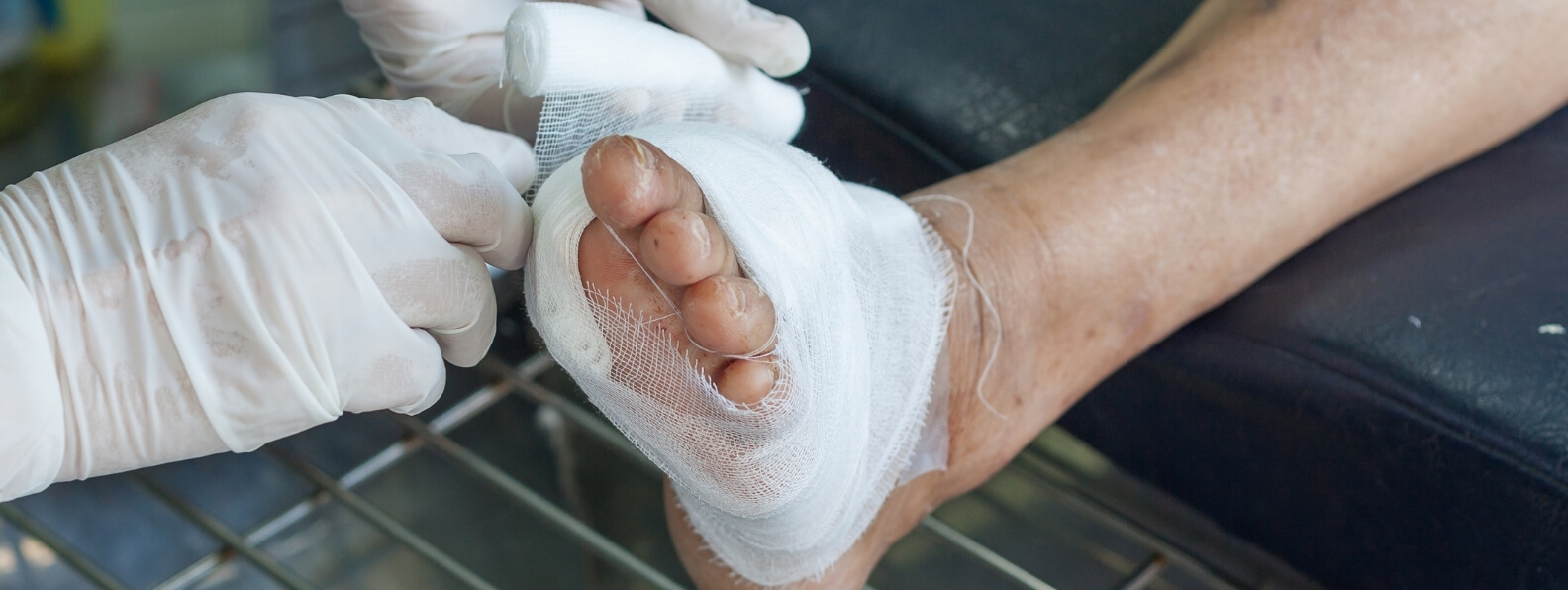
    Chronic wounds and limb-threatening tissue injury remain major clinical challenges across vascular medicine, wound care, podiatry, infectious disease, and surgery. Despite advances in wound management, diabetic complications, peripheral arterial disease, infection, and tissue hypoxia continue to contribute significantly to morbidity, hospitalization, and lower extremity amputation.

    Patients with diabetes, peripheral arterial disease, severe infection, venous insufficiency, or traumatic injury may develop wounds characterized by impaired perfusion, persistent inflammation, bacterial burden, and compromised healing capacity. In many cases, these wounds exist within a physiologically hypoxic environment where oxygen delivery is insufficient to support normal cellular repair processes. Tissue ischemia, microvascular compromise, chronic edema, neuropathy, osteomyelitis, and impaired immune response can all contribute to delayed healing and progressive tissue breakdown.

    As wounds advance, the risk of systemic infection, hospitalization, major amputation, and long-term disability increases substantially. Modern limb salvage programs are designed to preserve tissue viability, control infection, optimize perfusion, and promote healing through coordinated multidisciplinary care pathways.

    The Role of Hyperbaric Oxygen Therapy in Limb Salvage

    Hyperbaric Oxygen Therapy (HBOT) is commonly incorporated into selected limb salvage programs as an adjunctive treatment for complex wounds and compromised tissue.

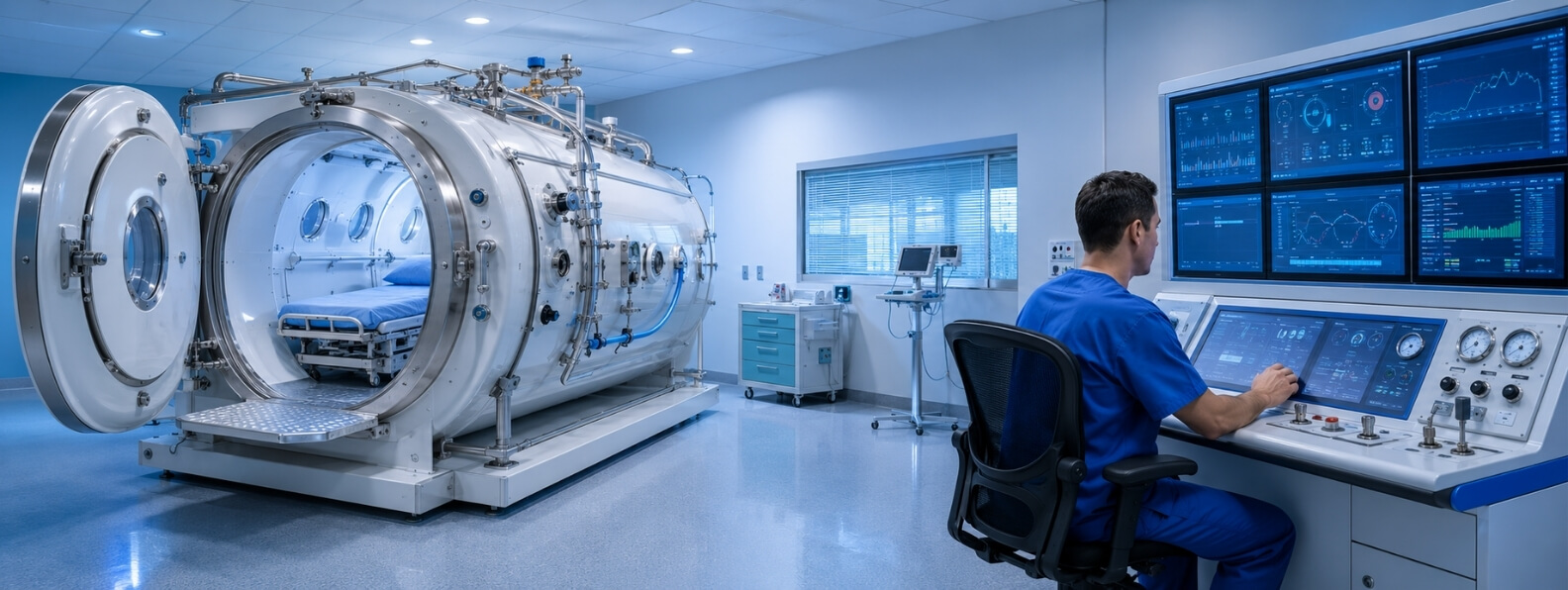
    During HBOT treatment, patients breathe medical-grade oxygen within a pressurized chamber, allowing oxygen to dissolve into plasma at significantly increased concentrations compared to normal atmospheric conditions. This process may improve oxygen delivery to hypoxic tissue beds with limited vascular supply and impaired healing potential.

    The physiologic rationale for HBOT in limb salvage centers on the critical role oxygen plays in cellular metabolism and tissue repair. Adequate oxygenation is essential for fibroblast proliferation, collagen synthesis, angiogenesis, leukocyte oxidative killing, and epithelialization. In compromised wounds where oxygen delivery is insufficient, these healing mechanisms may become significantly impaired.

    Hyperbaric Oxygen Therapy may support tissue oxygenation, angiogenesis, leukocyte function, edema reduction, and overall wound healing response in carefully selected patients. HBOT is typically integrated alongside standard wound care, vascular evaluation, infection management, glycemic control, offloading strategies, nutritional optimization, surgical intervention, and ongoing physician oversight.

    Diabetic Foot Ulcers and Tissue Hypoxia

    Diabetic foot ulcers remain one of the most common conditions associated with hyperbaric medicine and limb preservation programs.

    Patients with diabetes frequently experience a combination of peripheral neuropathy, microvascular disease, peripheral arterial insufficiency, immune dysfunction, and impaired wound healing capacity. These factors contribute to chronic tissue hypoxia and increased susceptibility to infection, tissue necrosis, and progressive wound deterioration.

    In advanced diabetic wounds, particularly those involving deep tissue infection, osteomyelitis, exposed structures, or failure to heal despite standard wound care, oxygen delivery may become critically impaired. Without aggressive multidisciplinary management, these wounds may progress toward major amputation.

    In carefully selected patients, particularly those presenting with Wagner Grade III or higher diabetic foot ulcers, HBOT may be incorporated into comprehensive treatment plans intended to support tissue healing and reduce complications associated with chronic wounds. Clinical decision-making typically includes evaluation of vascular status, tissue viability, infection severity, prior wound response, surgical planning, and overall patient condition.

    HBOT is not considered a standalone intervention and is generally most effective when integrated into a coordinated wound management strategy.

    Infection, Osteomyelitis, and Tissue Preservation

    Many limb-threatening wounds involve complex polymicrobial infection and chronic osteomyelitis. Tissue hypoxia may impair leukocyte function, reduce antibiotic penetration, and create an environment favorable to bacterial proliferation and chronic inflammation.

    Hyperbaric Oxygen Therapy may support infection management by improving oxygen-dependent leukocyte activity and enhancing oxidative bacterial killing mechanisms. Increased tissue oxygen tension may also support healing in compromised tissue surrounding areas of chronic infection.

    HBOT is sometimes incorporated into treatment plans for chronic refractory osteomyelitis as part of a multidisciplinary approach involving infectious disease management, surgical debridement, vascular optimization, and long-term antimicrobial therapy.

    A Multidisciplinary Approach to Limb Preservation

    Successful limb salvage programs rely on coordinated multidisciplinary care involving multiple clinical specialties working together to address the underlying contributors to tissue loss and impaired healing.

    These programs often include collaboration among wound care physicians, vascular surgeons, podiatric surgeons, infectious disease specialists, endovascular specialists, hyperbaric medicine physicians, rehabilitation teams, and reconstructive surgical services. Treatment planning may involve revascularization procedures, debridement, advanced wound therapies, pressure redistribution, infection control, nutritional support, glycemic management, and Hyperbaric Oxygen Therapy.

    HBOT is not intended to replace standard medical or surgical treatment but may serve as an important adjunctive therapy within a comprehensive limb preservation pathway.

    The Future of Hyperbaric Medicine in Wound Care

    As healthcare systems continue focusing on outcomes, limb preservation, value-based care, and advanced wound management, hyperbaric medicine remains an important component of many comprehensive wound care programs.

    Ongoing research continues to evaluate patient selection criteria, clinical outcomes, wound healing response, cost-effectiveness, and long-term limb preservation strategies associated with HBOT. Advances in vascular intervention, wound diagnostics, imaging, and multidisciplinary care coordination continue shaping the evolving role of hyperbaric medicine in modern wound care.

    House of Hyperbaric is committed to supporting evidence-informed education and advancing physician awareness surrounding Hyperbaric Oxygen Therapy and contemporary wound care practices.


    Explore Additional Clinical Resources

    Continue exploring physician resources, HBOT education, clinical indications, and research through House of Hyperbaric.

  • HBOT and Osteoradionecrosis: Supporting Healing in Radiation-Injured Bone

    HBOT and Osteoradionecrosis: Supporting Healing in Radiation-Injured Bone

    Understanding Osteoradionecrosis (ORN)

    Osteoradionecrosis (ORN) remains one of the most challenging delayed complications associated with radiation therapy to the head and neck. Most commonly affecting the mandible, ORN develops when irradiated bone undergoes progressive hypovascular, hypocellular, and hypoxic changes that impair normal tissue repair and compromise healing capacity.

    Although advances in radiation planning and delivery have reduced incidence rates over time, osteoradionecrosis continues to present significant clinical challenges in oncology, oral surgery, dentistry, and reconstructive care. Patients may develop symptoms months or years following radiation treatment, often after dental extraction, trauma, infection, or spontaneous tissue breakdown within previously irradiated tissue.

    Clinical presentation may include exposed bone, chronic pain, soft tissue necrosis, fistula formation, infection, trismus, pathologic fracture, impaired mastication, and delayed surgical healing. In advanced disease, ORN can substantially affect nutrition, speech, oral function, and overall quality of life.

    Radiation Injury and the Pathophysiology of ORN

    The underlying pathophysiology of osteoradionecrosis is closely tied to the long-term vascular and cellular effects of ionizing radiation on bone and surrounding soft tissue.

    Radiation exposure may result in:

    • Progressive endarteritis and microvascular compromise
    • Reduced tissue oxygenation
    • Fibrosis and decreased tissue elasticity
    • Impaired fibroblast function
    • Reduced osteoblastic activity
    • Chronic inflammation and impaired remodeling capacity

    These changes create a tissue environment characterized by chronic hypoxia and diminished healing potential. When surgical trauma, dental extraction, infection, or tissue injury occurs within irradiated bone, the ability to recover may be significantly impaired.

    The mandible is particularly vulnerable due to its relatively limited blood supply compared to other facial structures, especially in patients receiving high-dose radiation for head and neck malignancies.

    The Role of Hyperbaric Oxygen Therapy in Osteoradionecrosis

    Hyperbaric Oxygen Therapy (HBOT) is used in selected patients with osteoradionecrosis as part of a comprehensive multidisciplinary treatment strategy.

    During HBOT treatment, patients breathe 100% medical-grade oxygen inside a pressurized chamber, allowing oxygen to dissolve into plasma at significantly increased concentrations. This process may improve oxygen delivery to irradiated tissue with compromised vascular supply and impaired healing capacity.

    The physiologic rationale for HBOT in radiation injury centers on the concept of improving tissue oxygenation within chronically hypoxic tissue beds while supporting angiogenesis and cellular repair mechanisms.

    Potential physiologic effects associated with HBOT may include:

    • Enhanced tissue oxygenation
    • Support for angiogenesis and neovascularization
    • Improved fibroblast proliferation and collagen synthesis
    • Support for osteogenesis and tissue remodeling
    • Improved leukocyte oxidative killing capacity
    • Support for soft tissue and bony healing response

    HBOT is often incorporated into treatment protocols surrounding dental extraction, reconstructive procedures, surgical debridement, and management of established radionecrosis in carefully selected patients.

    HBOT and Surgical Planning in Irradiated Tissue

    One of the most common clinical applications of HBOT in head and neck radiation injury involves surgical planning within previously irradiated tissue.

    Dental extraction in irradiated patients presents a unique clinical challenge due to impaired vascularity and reduced healing potential within exposed bone. Even minor oral surgical procedures may increase the risk of tissue breakdown and progression toward osteoradionecrosis.

    In selected patients, HBOT may be utilized before and after surgical intervention with the goal of supporting tissue oxygenation and healing response surrounding the procedure. This approach is commonly considered in patients with:

    • Prior high-dose radiation exposure
    • Mandibular radiation involvement
    • Existing tissue compromise
    • Delayed healing history
    • Planned dental extraction or reconstructive surgery

    Clinical decision-making is individualized and typically involves coordination among oral and maxillofacial surgery, radiation oncology, restorative dentistry, and hyperbaric medicine teams.

    A Multidisciplinary Approach to Management

    Management of osteoradionecrosis often requires coordinated multidisciplinary care due to the complexity of radiation injury and variability in disease severity.

    Treatment planning may involve:

    • Oral and maxillofacial surgery
    • Radiation oncology
    • Otolaryngology
    • Reconstructive surgery
    • Dental specialists
    • Infectious disease management
    • Hyperbaric medicine consultation

    Depending on disease severity, treatment strategies may include conservative wound management, antimicrobial therapy, debridement, reconstruction, nutritional support, and Hyperbaric Oxygen Therapy.

    HBOT is not intended to replace surgical or oncologic management but may serve as an important adjunctive therapy within comprehensive treatment pathways for selected patients with radiation-injured tissue.

    The Evolving Role of Hyperbaric Medicine in Radiation Injury

    Hyperbaric medicine continues to play an important role in the management of delayed radiation tissue injury across multiple specialties. In addition to osteoradionecrosis, HBOT may be utilized in selected patients with soft tissue radionecrosis, radiation cystitis, pelvic radiation injury, radiation proctitis, and compromised healing following radiation therapy.

    As clinical research and multidisciplinary collaboration continue to evolve, physician awareness surrounding the appropriate integration of HBOT into radiation injury management remains increasingly important.

    House of Hyperbaric is committed to supporting evidence-informed education and advancing clinical understanding of Hyperbaric Oxygen Therapy in modern hyperbaric medicine.


    Explore Additional Clinical Resources

    Continue exploring physician resources, hyperbaric education, clinical indications, and research through House of Hyperbaric.

  • Supporting Healing in Radiation-Injured Tissue

    Supporting Healing in Radiation-Injured Tissue

    Understanding Radiation Cystitis

    Radiation cystitis is a delayed complication of pelvic radiation therapy that may develop months or even years following cancer treatment. Most commonly associated with treatment for prostate, bladder, cervical, rectal, gynecologic, and other pelvic malignancies, radiation-induced bladder injury can result in progressive vascular compromise, chronic inflammation, fibrosis, and impaired tissue healing within the bladder wall.

    Although radiation therapy remains an essential component of oncologic care, delayed radiation injury continues to present significant long-term management challenges for both patients and clinicians. Symptoms may range from mild irritative urinary complaints to severe hemorrhagic cystitis associated with recurrent bleeding, clot formation, pain, urinary dysfunction, and reduced quality of life.

    Clinical presentation may include:

    • Hematuria
    • Urinary urgency and frequency
    • Dysuria
    • Pelvic pain or pressure
    • Bladder spasms
    • Nocturia
    • Reduced bladder capacity
    • Chronic inflammation and tissue fragility

    In severe cases, radiation cystitis may lead to recurrent hospitalization, transfusion requirements, procedural intervention, and significant morbidity.

    The Pathophysiology of Radiation-Induced Tissue Injury

    The underlying pathophysiology of radiation cystitis is closely related to the long-term effects of ionizing radiation on vascular structures and connective tissue.

    Radiation exposure may result in progressive endarteritis, microvascular injury, fibrosis, and chronic tissue hypoxia. Over time, these changes impair oxygen delivery and reduce the bladder’s ability to maintain normal tissue repair and regenerative function.

    Affected tissues may demonstrate:

    • Reduced vascular density
    • Chronic ischemia
    • Fibrotic tissue remodeling
    • Mucosal fragility
    • Impaired cellular repair mechanisms
    • Progressive tissue breakdown

    Unlike acute inflammatory reactions that occur during radiation treatment, delayed radiation injury is often progressive and may continue evolving long after cancer therapy has been completed.

    Because irradiated tissue exists within a chronically hypoxic environment, healing potential may remain significantly impaired without intervention.

    The Role of Hyperbaric Oxygen Therapy in Radiation Cystitis

    Hyperbaric Oxygen Therapy (HBOT) is used in selected patients with delayed radiation tissue injury, including radiation cystitis, as part of a comprehensive multidisciplinary treatment strategy.

    During HBOT treatment, patients breathe 100% medical-grade oxygen within a pressurized chamber, allowing oxygen to dissolve into plasma at significantly increased concentrations. This process may improve oxygen delivery to hypoxic tissue with compromised vascular supply and impaired healing capacity.

    The physiologic rationale for HBOT in radiation injury is centered on improving tissue oxygenation while supporting angiogenesis and tissue repair within chronically damaged tissue beds.

    Potential physiologic effects associated with HBOT may include:

    • Enhanced tissue oxygenation
    • Support for angiogenesis and neovascularization
    • Improved fibroblast activity and collagen formation
    • Reduction of chronic tissue hypoxia
    • Support for mucosal healing and tissue recovery
    • Improved tissue resilience within irradiated structures

    HBOT is generally incorporated into treatment plans alongside urologic management, symptom-directed therapies, and ongoing physician oversight.

    Hemorrhagic Radiation Cystitis and Clinical Management

    Hemorrhagic radiation cystitis represents one of the more severe manifestations of delayed pelvic radiation injury and may present with recurrent or persistent hematuria requiring intervention.

    In advanced cases, patients may experience:

    • Gross hematuria
    • Clot retention
    • Bladder outlet obstruction
    • Chronic anemia
    • Recurrent emergency department visits
    • Repeated cystoscopic procedures
    • Need for transfusion support

    Management often requires a multidisciplinary approach involving urology, oncology, hyperbaric medicine, and supportive care services.

    Conventional management strategies may include bladder irrigation, cystoscopic intervention, fulguration, intravesical therapies, transfusion support, and symptom management. In selected patients with persistent or refractory symptoms, HBOT may be considered as an adjunctive treatment intended to support tissue recovery and reduce progression of radiation injury.

    HBOT and Pelvic Radiation Injury

    Radiation cystitis is part of a broader category of delayed radiation tissue injuries that may affect multiple pelvic structures following cancer treatment.

    Hyperbaric Oxygen Therapy may also be utilized in selected patients with:

    • Radiation proctitis
    • Soft tissue radionecrosis
    • Pelvic soft tissue injury
    • Vaginal tissue injury
    • Radiation-related wound healing complications

    The common underlying mechanism across these conditions involves chronic hypoxia, fibrosis, vascular compromise, and impaired tissue repair capacity within irradiated tissue.

    HBOT is intended to support tissue oxygenation and healing response within these compromised environments as part of coordinated multidisciplinary management.

    Patient Selection and Multidisciplinary Care

    Appropriate patient selection remains an important component of hyperbaric treatment planning for radiation cystitis.

    Clinical evaluation may include assessment of:

    • Severity and chronicity of symptoms
    • Prior radiation exposure
    • Extent of tissue injury
    • Bladder function
    • Prior interventions and response
    • Coexisting malignancy considerations
    • Overall patient medical condition

    Treatment planning often involves collaboration among:

    • Urologists
    • Radiation oncologists
    • Hyperbaric medicine physicians
    • Oncology care teams
    • Wound and surgical specialists

    HBOT is not intended to replace standard oncologic or urologic management but may serve as an important adjunctive therapy in selected patients with delayed radiation injury.

    The Evolving Role of Hyperbaric Medicine in Radiation Injury

    As cancer survivorship continues to improve, the long-term management of delayed radiation complications has become increasingly important across multiple medical specialties.

    Hyperbaric medicine remains an important area of interest in the management of chronic radiation injury due to its physiologic effects on oxygenation, angiogenesis, tissue repair, and healing response within compromised tissue beds.

    Ongoing research continues to evaluate:

    • Clinical outcomes
    • Symptom improvement
    • Tissue healing response
    • Patient selection criteria
    • Long-term functional outcomes
    • Integration into multidisciplinary radiation injury programs

    House of Hyperbaric is committed to supporting evidence-informed education and advancing physician understanding of Hyperbaric Oxygen Therapy within modern radiation injury management.


    Explore Additional Clinical Resources

    Continue exploring physician resources, hyperbaric education, clinical indications, and research through House of Hyperbaric.