Author: House of Hyperbaric

  • Monoplace vs Multiplace Hyperbaric Chambers

    Monoplace vs Multiplace Hyperbaric Chambers

    A Clinical Comparison of Chamber Design, Oxygen Delivery, Patient Access, Safety, and Treatment Workflow

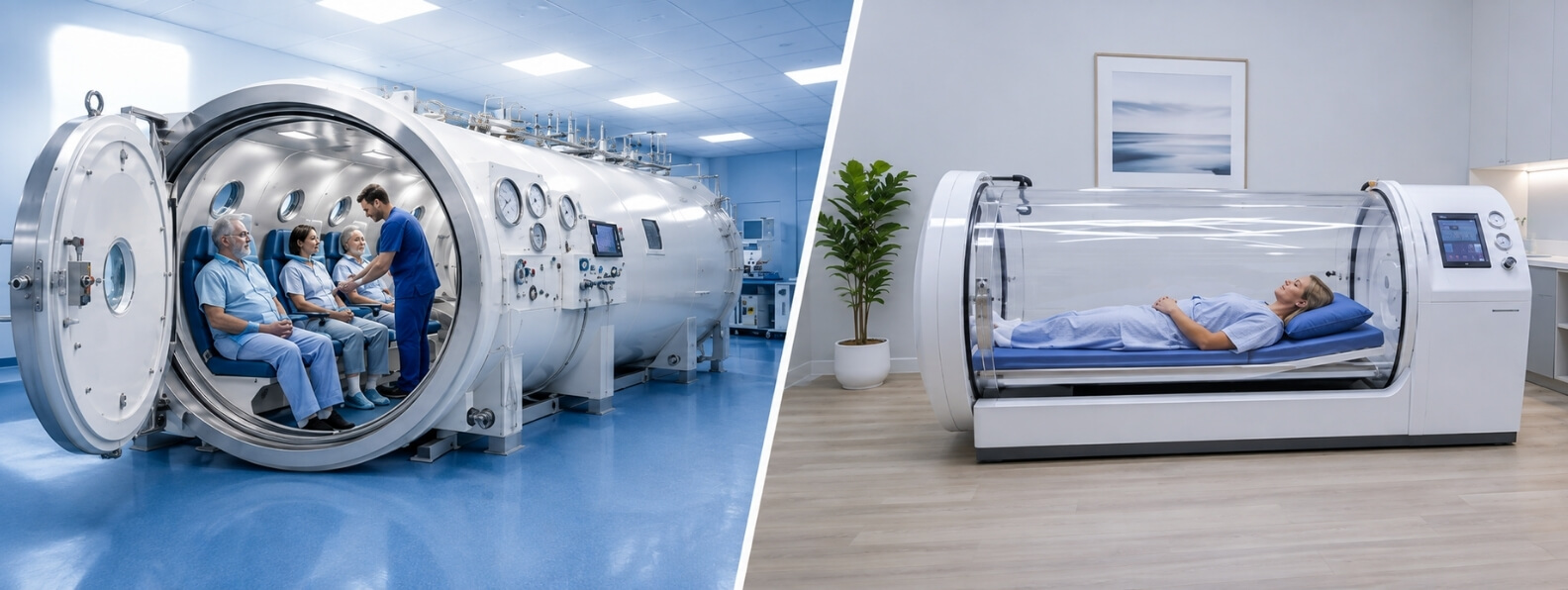
    Hyperbaric oxygen therapy can be delivered in either a monoplace or multiplace chamber. Both systems expose the entire patient to increased atmospheric pressure while providing oxygen at a prescribed treatment dose. The principal differences involve how the chamber is pressurized, how oxygen is delivered, how many patients can be treated, and whether clinical personnel can remain inside during treatment.

    Neither chamber type is inherently more therapeutic. When the same treatment pressure and oxygen exposure are delivered appropriately, the fundamental physiologic effects of HBOT remain the same. Chamber selection is usually based on patient acuity, staffing, facility design, treatment volume, equipment needs, safety requirements, and operational priorities.

    What Is a Monoplace Hyperbaric Chamber?

    A monoplace chamber is designed to treat one patient at a time. Most clinical monoplace systems consist of a horizontal pressure vessel with a clear acrylic section that allows staff to observe the patient throughout treatment.

    The patient typically lies on a chamber stretcher that slides into the vessel. The chamber is then sealed and pressurized, commonly using medical-grade oxygen. Because the oxygen serves as both the breathing gas and the chamber atmosphere, the patient does not usually need to wear an oxygen mask or hood during the primary treatment periods. FDA-cleared monoplace chamber models are generally designed to administer oxygen at pressures greater than ambient pressure, with the precise operating range determined by the chamber’s specifications. (FDA Access Data)

    The patient remains physically separated from the clinical team by the chamber wall. Staff communicate through an intercommunication system and monitor the patient visually, often with additional physiologic monitoring when medically appropriate.

    The single-patient configuration can provide privacy and individualized scheduling. It also allows treatment profiles to be adjusted for one patient without affecting others.

    What Is a Multiplace Hyperbaric Chamber?

    A multiplace chamber is designed to accommodate more than one person. Depending on the system, patients may sit in reclining seats, remain on stretchers, or receive treatment in a configuration that supports more complex medical care.

    Unlike a typical monoplace chamber, a multiplace chamber is generally pressurized with compressed air. Patients receive oxygen through an individually fitted delivery system, such as:

    • An oronasal mask
    • A transparent oxygen hood
    • An endotracheal or tracheostomy connection
    • Another chamber-compatible breathing circuit

    Clinical personnel can enter the chamber with the patients when the staffing model and treatment circumstances require it. This permits direct assessment, assistance with oxygen-delivery equipment, management of anxiety or ear-pressure difficulties, and hands-on care for patients who require closer supervision. CMS describes multiplace treatment as exposure to increased pressure in an air-filled chamber while oxygen is supplied through a mask, hood, or airway device. (Centers for Medicare & Medicaid Services)

    Although multiple patients can be treated during the same session, each patient must still receive an individually prescribed treatment. Oxygen fit, breathing periods, air breaks, monitoring needs, and contraindications remain patient specific.

    Oxygen Delivery in Monoplace and Multiplace Chambers

    The most visible difference between the two chamber types is the treatment atmosphere.

    In a conventional monoplace chamber, the chamber itself is commonly filled with oxygen. The patient breathes directly from the surrounding atmosphere. Air breaks, when included in the protocol, require a separate breathing system that supplies air while the chamber remains pressurized.

    In a multiplace chamber, the surrounding atmosphere is compressed air. Oxygen is delivered directly to the patient through a mask, hood, or airway circuit. During an air break, the patient removes or switches from the oxygen-delivery device and breathes the chamber atmosphere according to the facility’s protocol.

    Both approaches can produce the increased arterial and tissue oxygen tensions required for HBOT. The clinical oxygen dose is determined by several variables, including:

    • Treatment pressure
    • Oxygen concentration at the patient interface
    • Duration of oxygen breathing
    • Number and duration of air breaks
    • Total treatment time
    • Treatment frequency

    The chamber type does not replace careful dose selection. A patient does not receive a more effective treatment simply because the chamber is larger or because the chamber atmosphere contains oxygen. The prescribed pressure and verified oxygen exposure are the clinically important factors.

    Patient Access During Hyperbaric Treatment

    Physical access to the patient is one of the most important operational differences.

    In a monoplace chamber, clinical personnel remain outside. Staff can observe and communicate with the patient, but they cannot immediately touch the patient or adjust equipment without ending or interrupting the treatment and decompressing the chamber.

    This configuration is well suited to many stable patients who can communicate, follow instructions, equalize middle-ear pressure, and remain safely positioned during treatment. Monoplace systems can also be used for medically complex patients when the facility has appropriate protocols, compatible equipment, experienced personnel, and a treatment plan that accounts for the absence of an inside attendant.

    In a multiplace chamber, a trained attendant may remain inside and provide direct care. This can be valuable for:

    • Critically ill or mechanically ventilated patients
    • Young children who require a parent or clinical attendant
    • Patients with significant mobility limitations
    • Patients who cannot reliably manage an oxygen mask or hood
    • Individuals with cognitive impairment, severe anxiety, or communication barriers
    • Patients requiring repeated assessment or intervention during treatment

    UHMS materials describe the treatment of critically ill and mechanically ventilated pediatric patients in multiplace environments when appropriate personnel and precautions are available. (UHMS)

    Direct access does not eliminate risk. Personnel inside a multiplace chamber are also exposed to increased ambient pressure. Their cumulative pressure exposure, decompression profile, oxygen exposure, medical fitness, and staffing rotation must be managed carefully.

    Monitoring and Critical Care Capabilities

    Both monoplace and multiplace chambers can support patient monitoring, but the equipment configuration differs.

    In a monoplace system, monitors, ventilators, infusion pumps, and other devices may remain outside the chamber with approved tubing, cables, or interfaces passing through designated penetrators. Some equipment may be specifically designed or cleared for operation in a hyperbaric environment. Device compatibility must be evaluated for the chamber pressure, oxygen concentration, electrical characteristics, and intended clinical use.

    A multiplace chamber may permit more equipment and personnel to remain near the patient, but every item introduced into the chamber must still meet facility safety requirements. Standard hospital equipment cannot be assumed to function safely or accurately under pressure. Increased pressure can affect gas-filled components, flow delivery, calibration, heat production, battery behavior, and device performance.

    The ability to place an attendant beside the patient may make multiplace care more practical for certain unstable or intervention-dependent patients. However, critical care capability depends on much more than chamber size. It requires:

    • Hyperbaric-trained physicians and clinical personnel
    • Chamber-compatible monitoring and life-support equipment
    • Tested emergency procedures
    • Appropriate staffing ratios
    • Reliable communication systems
    • A plan for rapid treatment termination and patient removal
    • Coordination with intensive care, respiratory therapy, surgery, and other services

    FDA clearances demonstrate that certain infusion and support systems have been evaluated for use under hyperbaric conditions, but facilities must follow the specific device labeling and chamber compatibility requirements. (FDA Access Data)

    Fire Safety and Oxygen Management

    Fire prevention is a central safety concern in every hyperbaric facility. Increased pressure and elevated oxygen concentrations can cause materials to ignite more easily and burn more rapidly.

    In a monoplace chamber filled with oxygen, the entire internal environment is oxygen rich. Clothing, linens, dressings, skin products, medical devices, and any item entering the chamber must be carefully controlled. Staff must follow established procedures for patient preparation, electrical grounding, static control, chamber cleaning, equipment approval, and prohibited materials.

    A multiplace chamber is typically pressurized with air, which reduces the extent of the oxygen-enriched chamber atmosphere. However, oxygen can accumulate around leaking or poorly fitted masks, hoods, breathing circuits, or exhaust systems. The use of electrical and medical equipment inside the chamber also introduces safety considerations that require rigorous equipment review.

    The different chamber atmospheres change the fire-risk profile, but they do not make either design free from fire hazards. Both monoplace and multiplace chambers require trained operators, controlled materials, documented maintenance, emergency procedures, and compliance with applicable hyperbaric safety standards. UHMS guidance emphasizes that patients in either chamber type depend on trained personnel for safe operation and emergency egress. (UHMS)

    Treatment Scheduling and Facility Workflow

    Monoplace chambers treat one patient per chamber cycle. Facilities may operate several chambers simultaneously, allowing each patient to begin treatment on a separate schedule and receive an individualized pressure profile.

    This arrangement can provide operational flexibility. A delayed patient, shortened treatment, or protocol adjustment may affect only one chamber. Individual treatment can also reduce distractions for patients who prefer a quieter environment.

    Multiplace chambers can treat several patients during one pressure cycle. This may offer efficient capacity when multiple patients require compatible treatment profiles. However, group treatment also requires coordinated scheduling. Patients generally compress and decompress together unless the chamber includes locks or other design features that permit personnel or supplies to enter and leave while the main compartment remains under pressure.

    A clinical issue affecting one multiplace patient may alter the session for others. The facility must have protocols for managing oxygen intolerance, ear pain, anxiety, medical deterioration, equipment failure, or the need for an unscheduled decompression.

    Throughput therefore depends on more than the number of available seats. It is influenced by chamber cycle time, staffing, patient preparation, oxygen-delivery setup, cleaning, emergency capacity, and the degree to which patient protocols can be grouped safely.

    Patient Comfort and Treatment Experience

    Patient comfort varies according to individual preference and clinical circumstances.

    A monoplace chamber may feel more private and less medically busy. The transparent acrylic structure allows the patient to see outside, and many facilities provide audio or visual entertainment. Some patients appreciate being able to lie down throughout treatment.

    Others may feel isolated or confined. Because the patient cannot remove themselves from the chamber independently, communication and reassurance from the outside team are important. Patients should understand how to report ear discomfort, anxiety, nausea, respiratory symptoms, visual changes, or other concerns.

    A multiplace chamber provides a larger internal space and may allow patients to sit upright. The presence of other patients and an inside attendant can be reassuring. It may also make the experience feel more social and less confined.

    However, patients must tolerate the oxygen-delivery interface. Masks and hoods can cause discomfort, pressure points, warmth, noise, or a sense of enclosure. Proper fitting is essential because oxygen leakage can reduce treatment efficiency and contribute to local oxygen enrichment.

    Compassionate preparation matters in either setting. Explaining the sounds, pressure changes, communication system, oxygen equipment, and expected duration can substantially improve the patient’s ability to participate safely in treatment.

    Are Clinical Outcomes Different Between Chamber Types?

    The therapeutic goal of HBOT is to deliver a defined exposure to oxygen at increased pressure. A correctly administered treatment can be delivered in either a monoplace or multiplace chamber.

    Clinical outcomes are more likely to be influenced by factors such as:

    • Whether HBOT is appropriate for the diagnosis
    • Timing of treatment
    • Treatment pressure and oxygen duration
    • Adherence to the prescribed course
    • Quality of wound, surgical, antimicrobial, or critical care
    • Patient selection and risk management
    • Staff training and emergency readiness

    The chamber type may indirectly affect outcomes when one design is better suited to a patient’s monitoring, mobility, ventilation, or staffing needs. For example, a patient requiring continuous bedside intervention may be more practically managed in a multiplace unit. A stable outpatient receiving a routine treatment series may be managed efficiently in a monoplace system.

    The choice should be based on the level of care the facility can deliver safely, not on the assumption that one chamber design provides stronger oxygen.

    Choosing the Appropriate Hyperbaric Chamber

    For an individual patient, the most appropriate chamber is the one that can safely deliver the prescribed treatment while meeting that patient’s medical and psychological needs.

    For a healthcare organization, chamber selection requires a broader assessment of:

    • Expected inpatient and outpatient volume
    • Types of clinical indications treated
    • Need for ventilator or intensive-care support
    • Availability of trained inside attendants
    • Physical space and construction requirements
    • Oxygen and compressed-air infrastructure
    • Capital, maintenance, and staffing resources
    • Emergency access and hospital support
    • Anticipated scheduling model

    Some programs operate only monoplace chambers. Others are built around a multiplace system. Larger centers may use both, allowing the clinical team to assign patients according to acuity, treatment protocol, scheduling needs, and available resources.

    Regardless of design, a hyperbaric chamber is a regulated medical device intended to increase environmental pressure and promote oxygen movement into the body. Safe treatment depends on appropriate equipment, qualified personnel, patient screening, maintenance, and adherence to recognized clinical and technical standards. (eCFR)
  • Physiology of Oxygen Under Pressure

    Physiology of Oxygen Under Pressure

    How Increased Ambient Pressure Changes Oxygen Transport, Tissue Diffusion, Vascular Function, and Cellular Metabolism

    Oxygen is essential for aerobic metabolism, but its physiologic effects depend on more than the percentage present in the breathing gas. Pressure determines the partial pressure of oxygen, the quantity that dissolves in plasma, the distance it can diffuse through tissue, and the cellular responses produced by hyperoxia.

    During hyperbaric oxygen therapy, a patient breathes near 100 percent oxygen while the surrounding pressure is increased above normal atmospheric pressure. This creates a physiologic state that cannot be achieved by breathing supplemental oxygen at sea level alone.

    The result is a temporary but substantial increase in arterial and tissue oxygen tension. Understanding how the body responds requires looking at several connected principles, including gas behavior, oxygen carriage, microvascular regulation, cellular respiration, and oxidative signaling.

    What Pressure Means in Hyperbaric Medicine

    At sea level, the pressure exerted by the atmosphere is approximately 1 atmosphere absolute, or 1 ATA. Hyperbaric treatment increases the total pressure surrounding the patient, commonly to a prescribed range of approximately 2.0 to 3.0 ATA for many established clinical protocols.

    The word absolute is important. Hyperbaric treatment pressures are measured relative to a complete vacuum, not simply as the additional pressure shown on a gauge. A chamber operating at 2 ATA exposes the patient to twice the total atmospheric pressure present at sea level.

    Pressure affects every gas within the treatment environment and every gas-containing space in the body. It influences:

    • The partial pressure of inspired oxygen
    • The amount of oxygen dissolved in blood and tissue fluids
    • The volume of enclosed gas spaces
    • The movement of gases between the lungs, bloodstream, and tissues
    • The elimination of inert or toxic gases

    Pressure is therefore not merely a method for delivering more oxygen. It is part of the therapeutic dose.

    Dalton’s Law and Oxygen Partial Pressure

    Dalton’s law states that the total pressure of a gas mixture is equal to the sum of the partial pressures of its individual gases. Each gas contributes to the total pressure in proportion to its concentration.

    At sea level, oxygen makes up approximately 21 percent of air. Its partial pressure is therefore only a fraction of the total atmospheric pressure. When a patient breathes 100 percent oxygen, the inspired oxygen partial pressure increases because the nitrogen normally present in air has been largely removed from the breathing gas.

    When the surrounding pressure is also increased, the partial pressure of oxygen rises further. Breathing oxygen at 2 ATA produces a much higher inspired oxygen partial pressure than breathing oxygen at 1 ATA, even though the oxygen concentration remains 100 percent in both settings.

    Inspired oxygen pressure is not identical to arterial oxygen pressure. Water vapor, carbon dioxide, ventilation, diffusion across the alveolar membrane, and normal physiologic shunting all influence the final arterial value. Even after accounting for these variables, arterial oxygen tension during hyperbaric exposure can rise well above the levels achievable with normobaric oxygen. (PubMed Central (PMC))

    This distinction between oxygen concentration and oxygen partial pressure is central to hyperbaric physiology. The body responds to the pressure exerted by oxygen, not simply to the percentage printed on the oxygen delivery system.

    Henry’s Law and Dissolved Oxygen in Plasma

    Henry’s law describes the relationship between gas pressure and gas solubility. At a constant temperature, the amount of a gas that dissolves in a liquid is proportional to the partial pressure of that gas above the liquid.

    In practical terms, increasing arterial oxygen partial pressure allows more oxygen to dissolve physically in plasma.

    Under normal conditions, dissolved oxygen represents only a small portion of total blood oxygen content. Most oxygen is carried by hemoglobin within red blood cells. Because hemoglobin is already close to fully saturated in healthy arterial blood, increasing inspired oxygen at sea level produces only a modest increase in hemoglobin-bound oxygen.

    The dissolved component behaves differently. It continues to increase as arterial oxygen pressure rises.

    This relationship can be seen in the standard arterial oxygen content equation:

    Arterial oxygen content = hemoglobin-bound oxygen + dissolved oxygen

    Clinically, it is often expressed as:

    CaO₂ = (1.34 × Hb × SaO₂) + (0.0031 × PaO₂)

    In this equation:

    • CaO₂ is arterial oxygen content
    • Hb is hemoglobin concentration
    • SaO₂ is arterial hemoglobin oxygen saturation
    • PaO₂ is arterial oxygen partial pressure
    • 0.0031 represents the approximate solubility coefficient of oxygen in plasma

    At a PaO₂ near 100 mmHg, the dissolved contribution is approximately 0.3 mL of oxygen per deciliter of blood. At a PaO₂ approaching 2,000 mmHg, the dissolved contribution can approach approximately 6 mL per deciliter. Experimental and clinical reviews have noted that this amount may be sufficient to approach the resting oxygen requirements of tissues even without relying entirely on hemoglobin-bound oxygen. (PubMed Central (PMC))

    This does not mean hemoglobin becomes unnecessary during routine HBOT. It demonstrates that hyperbaric pressure creates an additional, immediately available oxygen reservoir within the liquid portion of the blood.

    Hemoglobin Saturation Versus Oxygen Availability

    Pulse oximetry can create an incomplete picture of oxygen physiology under pressure.

    A patient with normal lungs may have a peripheral oxygen saturation of 97 to 100 percent while breathing room air. When that patient begins breathing oxygen, the saturation reading may increase only slightly because hemoglobin was already near the plateau of the oxyhemoglobin dissociation curve.

    The small change in saturation does not reflect the much larger change in oxygen partial pressure.

    During HBOT, hemoglobin remains highly saturated, but plasma oxygen content and arterial oxygen tension rise substantially. These changes increase the amount of oxygen that can move out of the circulation and into surrounding tissue.

    This is why pulse oximetry is not a useful measure of the oxygen dose delivered during hyperbaric treatment. It shows the percentage of available hemoglobin binding sites occupied by oxygen, but it does not measure the large increase in dissolved plasma oxygen or tissue oxygen tension.

    The distinction is particularly important in compromised tissue. Oxygen delivery depends not only on arterial saturation but also on:

    • Hemoglobin concentration
    • Cardiac output
    • Regional blood flow
    • Microvascular patency
    • Arterial oxygen tension
    • Diffusion distance between capillaries and cells
    • Cellular ability to use delivered oxygen

    A normal saturation value therefore does not establish that every tissue is adequately oxygenated.

    Oxygen Diffusion into Hypoxic Tissue

    Oxygen moves from areas of higher partial pressure to areas of lower partial pressure. In healthy tissue, oxygen leaves the capillary, crosses the interstitial space, and enters cells where it is used primarily within mitochondria.

    The effectiveness of this process depends on the oxygen pressure gradient and the distance oxygen must travel.

    Edema, capillary loss, fibrosis, vascular injury, and increased metabolic demand can widen the gap between oxygen supply and tissue need. Cells located farther from a functioning capillary may become hypoxic even when arterial oxygen saturation appears normal.

    Hyperbaric oxygen markedly increases the pressure gradient between capillary blood and surrounding tissue. This allows oxygen to diffuse farther from the perfused microcirculation than it can under normal atmospheric conditions. (PubMed Central (PMC))

    The distinction between perfusion and diffusion remains important. HBOT does not force blood through a completely obstructed vessel. Instead, it increases the amount of oxygen carried by the plasma that reaches functioning vessels and enhances oxygen movement from those vessels into adjacent tissue.

    This can temporarily support cells at the margins of ischemia, where blood flow is impaired but not entirely absent. It can also improve oxygen availability in tissues affected by edema, small-vessel injury, radiation-associated vascular damage, or other barriers to normal diffusion.

    Boyle’s Law and Gas Volume Under Pressure

    Boyle’s law describes the inverse relationship between pressure and gas volume at a constant temperature. As surrounding pressure increases, the volume of a gas decreases. As pressure decreases, gas volume expands.

    This principle is most clinically apparent in decompression sickness and arterial gas embolism. Increasing chamber pressure reduces bubble volume, which may decrease mechanical obstruction and improve local blood flow. Breathing oxygen also increases the gradient for nitrogen removal, promoting the transfer of inert gas from bubbles and tissues into the bloodstream for elimination through the lungs. (PubMed)

    Boyle’s law also explains why pressure equalization is necessary during compression and decompression. Gas in the middle ear, sinuses, lungs, dental spaces, and medical devices changes volume as chamber pressure changes.

    During compression, enclosed gas spaces become smaller unless additional gas can enter. During decompression, trapped gas expands. A patient who cannot equalize pressure across the tympanic membrane may develop middle-ear barotrauma. A patient with an untreated pneumothorax may be at risk of expanding pleural gas during decompression, potentially producing a tension pneumothorax.

    The rate and profile of pressure change must therefore be managed as carefully as the oxygen exposure itself.

    Cardiovascular Effects of Hyperbaric Hyperoxia

    Hyperbaric oxygen produces several acute cardiovascular responses. Systemic hyperoxia commonly causes arteriolar vasoconstriction, particularly in tissues that normally regulate blood flow according to oxygen availability.

    At first, vasoconstriction may appear inconsistent with the goal of improving oxygenation. Reduced vessel diameter can decrease regional blood flow. However, the oxygen content and partial pressure of blood are substantially elevated during treatment, allowing tissue oxygen delivery to remain high despite the reduction in flow.

    This response may provide an additional benefit in edematous tissue. Reduced arteriolar inflow and capillary hydrostatic pressure can limit fluid filtration into the interstitial space while venous and lymphatic outflow continue. Lower tissue edema can reduce microvascular compression and shorten the effective diffusion distance between capillaries and cells. (UHMS)

    Hyperbaric hyperoxia can also produce:

    • Increased systemic vascular resistance
    • Reflex bradycardia
    • Reduced cardiac output
    • Relatively preserved stroke volume in many patients
    • Changes in ventricular loading conditions

    These effects are usually tolerated by appropriately screened patients, but they are clinically relevant in individuals with impaired ventricular function, significant pulmonary disease, or limited cardiovascular reserve. (PubMed)

    The cardiovascular response reinforces an important principle: oxygen delivery is not determined by blood flow alone. It reflects the interaction of blood flow, hemoglobin, dissolved oxygen content, partial pressure gradients, and tissue demand.

    Oxygen, Mitochondria, and Cellular Energy Production

    Within the mitochondria, oxygen serves as the terminal electron acceptor in the electron transport chain. This allows oxidative phosphorylation to proceed and supports the production of adenosine triphosphate, or ATP.

    When oxygen availability falls below a critical level, mitochondrial ATP production becomes limited. Cells increasingly depend on anaerobic metabolism, which is less efficient and contributes to lactate production, ion-pump dysfunction, cellular swelling, and eventual loss of membrane integrity.

    By increasing oxygen availability, HBOT can temporarily support aerobic metabolism in hypoxic but viable tissue. This may help preserve cellular function while definitive treatment addresses the underlying cause of ischemia or impaired perfusion.

    There is still a limit to this effect. Oxygen cannot restore metabolism in tissue that is irreversibly necrotic, and it cannot independently correct a major arterial obstruction. The clinical opportunity exists in threatened tissue that remains biologically viable and accessible to at least some functioning microcirculation.

    Reactive Oxygen Species and Redox Signaling

    Hyperbaric oxygen increases the formation of reactive oxygen species and reactive nitrogen species. These molecules include superoxide, hydrogen peroxide, hydroxyl radicals, nitric oxide-related intermediates, and other chemically reactive products of oxygen metabolism.

    Excessive production can damage lipids, proteins, DNA, cellular membranes, and pulmonary or neurologic tissue. At controlled levels, however, reactive species also function as signaling molecules.

    Intermittent hyperoxia can influence redox-sensitive pathways involved in:

    • Inflammatory regulation
    • Endothelial function
    • Antioxidant enzyme activity
    • Growth-factor expression
    • Leukocyte adhesion
    • Stem and progenitor cell mobilization
    • Angiogenic signaling
    • Cellular responses to hypoxia and oxidative stress

    The physiologic response is therefore not adequately described as simply placing more oxygen into tissue. HBOT creates a controlled oxidative stimulus that can alter cellular behavior during and between treatments. (PubMed)

    This helps explain why the effects of a treatment series may extend beyond the period when tissue oxygen tension is directly elevated. The immediate oxygen exposure is temporary, but the signaling events it initiates may contribute to longer-term vascular and tissue responses.

    Oxygen Dose, Exposure Time, and Toxicity

    Oxygen behaves pharmacologically. Its effects depend on concentration, pressure, exposure time, treatment frequency, and the susceptibility of the individual patient.

    A therapeutic dose can support metabolism and activate adaptive signaling. An excessive dose can overwhelm antioxidant defenses and cause oxygen toxicity.

    Central nervous system oxygen toxicity may present with visual changes, auditory symptoms, nausea, facial twitching, irritability, dizziness, or a generalized seizure. Pulmonary oxygen toxicity is associated with longer cumulative exposures and may cause substernal discomfort, cough, irritation, or measurable changes in pulmonary function.

    Clinical treatment protocols control oxygen exposure through:

    • Selection of treatment pressure
    • Defined oxygen-breathing periods
    • Limits on treatment duration
    • Scheduled air breaks when appropriate
    • Assessment of medications and comorbidities
    • Monitoring for neurologic, pulmonary, and glucose-related risk factors

    Air breaks temporarily replace oxygen breathing with air breathing while the patient remains at treatment pressure. They are commonly incorporated into certain protocols to reduce uninterrupted oxygen exposure, although their precise protective effects vary with the pressure, duration, and treatment context. (PubMed Central (PMC))

    More oxygen is not automatically more therapeutic. The objective is to produce a sufficient physiologic response while remaining within established safety limits.

    Why Oxygen Physiology Matters Clinically

    The physiologic effect of HBOT varies by diagnosis because different conditions depend on different aspects of pressure and hyperoxia.

    For intravascular gas, the central effects include bubble compression and inert-gas elimination. For carbon monoxide poisoning, the treatment increases oxygen availability while accelerating carbon monoxide displacement and elimination. For hypoxic wounds and radiation-damaged tissue, the emphasis shifts toward repeated tissue oxygenation, oxygen-dependent repair, inflammatory modulation, and vascular remodeling.

    A treatment protocol should therefore be selected according to the intended physiologic target, not simply according to chamber availability or a general desire to increase oxygen.

    The most clinically useful way to understand hyperbaric oxygen is as a controlled combination of:

    • Increased ambient pressure
    • Increased oxygen partial pressure
    • Increased dissolved plasma oxygen
    • Enhanced tissue diffusion
    • Altered vascular tone
    • Supported aerobic metabolism
    • Dose-dependent redox signaling

    These effects occur together, but their relative importance changes with the condition being treated.

    HBOT does not create permanent hyperoxygenation. It produces a defined period of markedly elevated oxygen availability and a series of physiologic signals that may help stabilize threatened tissue, support oxygen-dependent repair, and complement definitive medical or surgical care.

  • How Hyperbaric Oxygen Therapy Works

    How Hyperbaric Oxygen Therapy Works

    A Clinical Look at Pressure, Oxygen Transport, Cellular Signaling, and Tissue Repair

    Hyperbaric oxygen therapy, commonly abbreviated as HBOT, is a medical treatment in which a patient breathes 100 percent oxygen while exposed to an ambient pressure greater than normal atmospheric pressure. Depending on the chamber design, oxygen may be delivered directly within a monoplace chamber or through a mask or hood inside a pressurized multiplace chamber.

    The therapeutic effect is not produced by oxygen or pressure alone. HBOT works through the interaction of increased ambient pressure, elevated oxygen partial pressure, altered gas behavior, improved oxygen diffusion, and a series of cellular responses to controlled hyperoxia. These mechanisms can be used to address markedly different clinical problems, from intravascular gas bubbles to hypoxic wounds and delayed radiation injury.

    Hyperbaric Oxygen Increases Dissolved Oxygen in Plasma

    Under normal conditions, most oxygen in the blood is carried by hemoglobin. Only a small amount is physically dissolved in the plasma. Because hemoglobin is already close to fully saturated in healthy arterial blood, simply increasing the inspired oxygen concentration has a limited effect on hemoglobin-bound oxygen.

    HBOT changes this relationship by substantially increasing the partial pressure of oxygen in the lungs and arterial circulation. According to Henry’s law, the amount of a gas that dissolves in a liquid is proportional to that gas’s partial pressure. As oxygen pressure rises inside the chamber, considerably more oxygen dissolves directly into the plasma and other body fluids.

    This oxygen-rich plasma can travel through the circulation and establish a stronger diffusion gradient between functioning capillaries and nearby tissues. That gradient is clinically important in areas where oxygen delivery has been impaired by edema, vascular injury, radiation damage, infection, or compromised microcirculation. It allows oxygen to diffuse farther from the capillary and reach viable but hypoxic tissue that may not be adequately supported under normal atmospheric conditions.

    HBOT does not restore blood flow through an obstructed artery or revive irreversibly necrotic tissue. Instead, it can temporarily increase the oxygen available to threatened tissue while the underlying cause is addressed through surgery, revascularization, infection control, wound care, or other appropriate interventions. 

    Increased Pressure Changes the Behavior of Gas

    Pressure itself has a direct therapeutic role, particularly when abnormal gas bubbles are present in the bloodstream or tissues.

    Boyle’s law describes the inverse relationship between pressure and gas volume. When ambient pressure increases inside a hyperbaric chamber, the volume of a gas bubble decreases. This effect is central to the treatment of decompression sickness and arterial gas embolism, where bubbles can obstruct blood flow, damage the endothelium, and initiate inflammatory responses.

    Breathing oxygen at increased pressure also creates concentration gradients that promote the elimination of inert gases such as nitrogen. In carbon monoxide poisoning, high oxygen partial pressures accelerate the displacement and elimination of carbon monoxide while improving oxygen availability to tissues. HBOT may also influence inflammatory and oxidative processes that continue after carboxyhemoglobin levels begin to fall.

    For these acute conditions, HBOT is therefore doing more than increasing oxygen delivery. It is also changing gas volume, gas solubility, and the rate at which unwanted gases leave the body.

    Hyperoxic Vasoconstriction Can Reduce Tissue Edema

    One of the more counterintuitive effects of hyperbaric oxygen is vasoconstriction. High oxygen tensions can cause arterioles in certain tissues to constrict, reducing regional blood flow.

    Under ordinary circumstances, reduced blood flow could worsen tissue hypoxia. During HBOT, however, the oxygen content of plasma is markedly elevated. This allows oxygen delivery to remain high despite a decrease in blood flow.

    The resulting vasoconstriction can help limit fluid leakage and reduce tissue edema. As swelling decreases, the distance oxygen must travel between the capillary and the cell may also decrease. This can be particularly relevant in crush injury, compromised grafts and flaps, burns, and other conditions in which edema contributes to microvascular compression and progressive tissue ischemia.

    HBOT may also reduce neutrophil adhesion to injured endothelium. Excessive leukocyte-endothelial interaction is an important component of ischemia-reperfusion injury and can contribute to capillary obstruction, endothelial damage, and secondary inflammation. By modifying this response, HBOT may help preserve the microcirculation after an ischemic event.

    Controlled Hyperoxia Influences Cellular Signaling

    Oxygen is not only a metabolic substrate. It also participates in cellular signaling.

    Exposure to hyperbaric oxygen temporarily increases the production of reactive oxygen species and reactive nitrogen species. Although these molecules are often discussed exclusively as sources of oxidative damage, they also function as signaling intermediates. In controlled amounts, they can influence gene expression, inflammatory activity, endothelial function, antioxidant defenses, and growth-factor pathways.

    This is why HBOT is delivered intermittently rather than continuously. A prescribed oxygen dose is followed by a return to normal atmospheric oxygen levels, allowing therapeutic signaling to occur while limiting oxygen toxicity. Some protocols also incorporate scheduled air breaks to reduce cumulative central nervous system oxygen exposure.

    Research suggests that these controlled oxidative signals contribute to several effects associated with HBOT:

    • Modulation of inflammatory pathways 
    • Reduced neutrophil adhesion and endothelial injury
    • Increased activity of selected growth factors
    • Mobilization of endothelial progenitor cells
    • Changes in cellular antioxidant defenses
    • Support for vascular remodeling and tissue repair

    These responses are dose dependent. More pressure, more oxygen, or longer exposure does not automatically produce a better therapeutic result. The clinical objective is to deliver an appropriate oxygen dose for the diagnosis while remaining within established safety parameters.

    Hyperbaric Oxygen Supports Angiogenesis and Wound Healing

    Many chronic or complex wounds remain hypoxic because of impaired perfusion, edema, inflammation, infection, or damage to small blood vessels. Hypoxia can interfere with several oxygen-dependent steps required for normal tissue repair.

    Fibroblast activity, collagen formation, leukocyte function, and extracellular matrix development all depend to varying degrees on adequate tissue oxygenation. By repeatedly raising tissue oxygen tension, HBOT can create periods during which these processes function more effectively.

    The immediate effect of a treatment is temporary hyperoxygenation. The longer-term objective of a treatment course is different. Repeated exposures may stimulate angiogenic signaling and support the formation of new capillary networks in selected hypoxic tissues. As vascular density improves, tissue may become better able to maintain oxygenation between treatments and after the treatment course has ended.

    This is particularly relevant in tissues affected by radiation. Radiation injury can cause progressive endarteritis, fibrosis, reduced capillary density, and chronic tissue hypoxia. In this setting, HBOT is generally used as a series of treatments intended to support vascular and tissue remodeling rather than as a single oxygen exposure.

    HBOT should not be viewed as a replacement for comprehensive wound management. Appropriate care may still require:

    • Surgical debridement
    • Revascularization or vascular assessment
    • Infection control and antimicrobial therapy
    • Pressure offloading
    • Glycemic management
    • Nutritional support
    • Moisture and edema management
    • Correction of other barriers to healing

    The best outcomes occur when HBOT is integrated into a coordinated treatment plan that addresses the cause of tissue injury, not merely the visible wound.

    Hyperbaric Oxygen Can Strengthen Antimicrobial Defenses

    The relationship between oxygen and infection is complex. HBOT is not a general-purpose antibiotic and should not be presented as a stand-alone treatment for infection. Its antimicrobial effects depend on the organism, the tissue environment, the host response, and the accompanying surgical and medical care.

    Elevated oxygen tensions can directly inhibit or damage certain anaerobic organisms. HBOT may also improve oxygen-dependent microbial killing by neutrophils, which can become impaired in severely hypoxic tissue.

    For selected serious infections, HBOT may be used as an adjunct to surgical source control and appropriate antimicrobial therapy. It may also influence edema, toxin activity, inflammatory injury, and antibiotic effectiveness in specific clinical settings. These mechanisms do not eliminate the need for urgent debridement, culture-directed antibiotics, hemodynamic support, or other established standards of care.

    Different Conditions Rely on Different HBOT Mechanisms

    There is no single mechanism that explains every clinical use of hyperbaric oxygen therapy. The relative importance of pressure, oxygen delivery, inflammation control, antimicrobial activity, and tissue remodeling varies by diagnosis.

    For example:

    • In decompression sickness and arterial gas embolism, bubble compression and inert-gas elimination are central.
    • In carbon monoxide poisoning, accelerated carbon monoxide elimination and restoration of tissue oxygenation are important.
    • In selected hypoxic wounds and delayed radiation injury, repeated oxygenation, angiogenic signaling, fibroblast function, and tissue remodeling are emphasized.
    • In compromised grafts, flaps, or acutely injured tissue, temporary oxygen support and edema reduction may help preserve viable tissue.
    • In selected infections, improved leukocyte function, inhibition of susceptible organisms, and support of damaged tissue may complement surgery and antibiotics.

    These differences explain why HBOT protocols are not interchangeable. Treatment pressure, oxygen exposure time, air breaks, treatment frequency, and the total number of sessions should be selected according to the condition, clinical urgency, treatment response, and patient-specific risk factors.

    Clinical Screening and Hyperbaric Safety Matter

    HBOT is a prescription medical treatment that requires appropriate patient selection, equipment, monitoring, and trained personnel.

    Pressure changes can affect air-containing spaces in the ears, sinuses, lungs, and gastrointestinal tract. Middle-ear barotrauma is among the most frequently encountered adverse effects. Other potential complications include sinus discomfort, temporary changes in vision, pulmonary oxygen toxicity, and oxygen-induced seizure. An untreated pneumothorax is generally considered an absolute contraindication because pressure changes can expand trapped pleural gas during decompression.

    The oxygen-rich treatment environment also requires strict fire-safety controls. Clothing, dressings, medical equipment, personal items, chamber maintenance, electrical grounding, and staff training must follow established hyperbaric safety requirements. In an August 25, 2025 safety communication, the FDA emphasized manufacturer instructions, fire prevention, patient supervision, equipment maintenance, and staff training following reports of serious hyperbaric chamber incidents.

    Patients should be evaluated for pulmonary disease, difficulty equalizing ear pressure, seizure risk, medication interactions, implanted devices, glucose-management needs, and other factors that may influence treatment. The purpose of screening is not merely to determine whether a patient can enter the chamber. It is to ensure that the anticipated benefit, treatment protocol, and safety plan are appropriate for that individual.

    Hyperbaric oxygen therapy works by temporarily changing the physical and biochemical environment of the body. Increased pressure compresses gas, elevated oxygen partial pressure increases plasma oxygen content, hyperoxia alters vascular behavior, and controlled oxidative signaling influences inflammation and tissue repair. When applied to an evidence-supported condition as part of a coordinated medical plan, these mechanisms can help protect threatened tissue and support healing processes that are limited by hypoxia.

  • Hyperbaric Therapy in Limb Salvage

    Hyperbaric Therapy in Limb Salvage

    The Challenge of Limb-Threatening Wounds

    Chronic wounds and limb-threatening tissue injury remain major clinical challenges across vascular medicine, wound care, podiatry, infectious disease, and surgery. Despite advances in wound management, diabetic complications, peripheral arterial disease, infection, and tissue hypoxia continue to contribute significantly to morbidity, hospitalization, and lower extremity amputation.

    Patients with diabetes, peripheral arterial disease, severe infection, venous insufficiency, or traumatic injury may develop wounds characterized by impaired perfusion, persistent inflammation, bacterial burden, and compromised healing capacity. In many cases, these wounds exist within a physiologically hypoxic environment where oxygen delivery is insufficient to support normal cellular repair processes. Tissue ischemia, microvascular compromise, chronic edema, neuropathy, osteomyelitis, and impaired immune response can all contribute to delayed healing and progressive tissue breakdown.

    As wounds advance, the risk of systemic infection, hospitalization, major amputation, and long-term disability increases substantially. Modern limb salvage programs are designed to preserve tissue viability, control infection, optimize perfusion, and promote healing through coordinated multidisciplinary care pathways.

    The Role of Hyperbaric Oxygen Therapy in Limb Salvage

    Hyperbaric Oxygen Therapy (HBOT) is commonly incorporated into selected limb salvage programs as an adjunctive treatment for complex wounds and compromised tissue.

    During HBOT treatment, patients breathe medical-grade oxygen within a pressurized chamber, allowing oxygen to dissolve into plasma at significantly increased concentrations compared to normal atmospheric conditions. This process may improve oxygen delivery to hypoxic tissue beds with limited vascular supply and impaired healing potential.

    The physiologic rationale for HBOT in limb salvage centers on the critical role oxygen plays in cellular metabolism and tissue repair. Adequate oxygenation is essential for fibroblast proliferation, collagen synthesis, angiogenesis, leukocyte oxidative killing, and epithelialization. In compromised wounds where oxygen delivery is insufficient, these healing mechanisms may become significantly impaired.

    Hyperbaric Oxygen Therapy may support tissue oxygenation, angiogenesis, leukocyte function, edema reduction, and overall wound healing response in carefully selected patients. HBOT is typically integrated alongside standard wound care, vascular evaluation, infection management, glycemic control, offloading strategies, nutritional optimization, surgical intervention, and ongoing physician oversight.

    Diabetic Foot Ulcers and Tissue Hypoxia

    Diabetic foot ulcers remain one of the most common conditions associated with hyperbaric medicine and limb preservation programs.

    Patients with diabetes frequently experience a combination of peripheral neuropathy, microvascular disease, peripheral arterial insufficiency, immune dysfunction, and impaired wound healing capacity. These factors contribute to chronic tissue hypoxia and increased susceptibility to infection, tissue necrosis, and progressive wound deterioration.

    In advanced diabetic wounds, particularly those involving deep tissue infection, osteomyelitis, exposed structures, or failure to heal despite standard wound care, oxygen delivery may become critically impaired. Without aggressive multidisciplinary management, these wounds may progress toward major amputation.

    In carefully selected patients, particularly those presenting with Wagner Grade III or higher diabetic foot ulcers, HBOT may be incorporated into comprehensive treatment plans intended to support tissue healing and reduce complications associated with chronic wounds. Clinical decision-making typically includes evaluation of vascular status, tissue viability, infection severity, prior wound response, surgical planning, and overall patient condition.

    HBOT is not considered a standalone intervention and is generally most effective when integrated into a coordinated wound management strategy.

    Infection, Osteomyelitis, and Tissue Preservation

    Many limb-threatening wounds involve complex polymicrobial infection and chronic osteomyelitis. Tissue hypoxia may impair leukocyte function, reduce antibiotic penetration, and create an environment favorable to bacterial proliferation and chronic inflammation.

    Hyperbaric Oxygen Therapy may support infection management by improving oxygen-dependent leukocyte activity and enhancing oxidative bacterial killing mechanisms. Increased tissue oxygen tension may also support healing in compromised tissue surrounding areas of chronic infection.

    HBOT is sometimes incorporated into treatment plans for chronic refractory osteomyelitis as part of a multidisciplinary approach involving infectious disease management, surgical debridement, vascular optimization, and long-term antimicrobial therapy.

    A Multidisciplinary Approach to Limb Preservation

    Successful limb salvage programs rely on coordinated multidisciplinary care involving multiple clinical specialties working together to address the underlying contributors to tissue loss and impaired healing.

    These programs often include collaboration among wound care physicians, vascular surgeons, podiatric surgeons, infectious disease specialists, endovascular specialists, hyperbaric medicine physicians, rehabilitation teams, and reconstructive surgical services. Treatment planning may involve revascularization procedures, debridement, advanced wound therapies, pressure redistribution, infection control, nutritional support, glycemic management, and Hyperbaric Oxygen Therapy.

    HBOT is not intended to replace standard medical or surgical treatment but may serve as an important adjunctive therapy within a comprehensive limb preservation pathway.

    The Future of Hyperbaric Medicine in Wound Care

    As healthcare systems continue focusing on outcomes, limb preservation, value-based care, and advanced wound management, hyperbaric medicine remains an important component of many comprehensive wound care programs.

    Ongoing research continues to evaluate patient selection criteria, clinical outcomes, wound healing response, cost-effectiveness, and long-term limb preservation strategies associated with HBOT. Advances in vascular intervention, wound diagnostics, imaging, and multidisciplinary care coordination continue shaping the evolving role of hyperbaric medicine in modern wound care.

    House of Hyperbaric is committed to supporting evidence-informed education and advancing physician awareness surrounding Hyperbaric Oxygen Therapy and contemporary wound care practices.


    Explore Additional Clinical Resources

    Continue exploring physician resources, HBOT education, clinical indications, and research through House of Hyperbaric.

  • HBOT and Osteoradionecrosis: Supporting Healing in Radiation-Injured Bone

    HBOT and Osteoradionecrosis: Supporting Healing in Radiation-Injured Bone

    Understanding Osteoradionecrosis (ORN)

    Osteoradionecrosis (ORN) remains one of the most challenging delayed complications associated with radiation therapy to the head and neck. Most commonly affecting the mandible, ORN develops when irradiated bone undergoes progressive hypovascular, hypocellular, and hypoxic changes that impair normal tissue repair and compromise healing capacity.

    Although advances in radiation planning and delivery have reduced incidence rates over time, osteoradionecrosis continues to present significant clinical challenges in oncology, oral surgery, dentistry, and reconstructive care. Patients may develop symptoms months or years following radiation treatment, often after dental extraction, trauma, infection, or spontaneous tissue breakdown within previously irradiated tissue.

    Clinical presentation may include exposed bone, chronic pain, soft tissue necrosis, fistula formation, infection, trismus, pathologic fracture, impaired mastication, and delayed surgical healing. In advanced disease, ORN can substantially affect nutrition, speech, oral function, and overall quality of life.

    Radiation Injury and the Pathophysiology of ORN

    The underlying pathophysiology of osteoradionecrosis is closely tied to the long-term vascular and cellular effects of ionizing radiation on bone and surrounding soft tissue.

    Radiation exposure may result in:

    • Progressive endarteritis and microvascular compromise
    • Reduced tissue oxygenation
    • Fibrosis and decreased tissue elasticity
    • Impaired fibroblast function
    • Reduced osteoblastic activity
    • Chronic inflammation and impaired remodeling capacity

    These changes create a tissue environment characterized by chronic hypoxia and diminished healing potential. When surgical trauma, dental extraction, infection, or tissue injury occurs within irradiated bone, the ability to recover may be significantly impaired.

    The mandible is particularly vulnerable due to its relatively limited blood supply compared to other facial structures, especially in patients receiving high-dose radiation for head and neck malignancies.

    The Role of Hyperbaric Oxygen Therapy in Osteoradionecrosis

    Hyperbaric Oxygen Therapy (HBOT) is used in selected patients with osteoradionecrosis as part of a comprehensive multidisciplinary treatment strategy.

    During HBOT treatment, patients breathe 100% medical-grade oxygen inside a pressurized chamber, allowing oxygen to dissolve into plasma at significantly increased concentrations. This process may improve oxygen delivery to irradiated tissue with compromised vascular supply and impaired healing capacity.

    The physiologic rationale for HBOT in radiation injury centers on the concept of improving tissue oxygenation within chronically hypoxic tissue beds while supporting angiogenesis and cellular repair mechanisms.

    Potential physiologic effects associated with HBOT may include:

    • Enhanced tissue oxygenation
    • Support for angiogenesis and neovascularization
    • Improved fibroblast proliferation and collagen synthesis
    • Support for osteogenesis and tissue remodeling
    • Improved leukocyte oxidative killing capacity
    • Support for soft tissue and bony healing response

    HBOT is often incorporated into treatment protocols surrounding dental extraction, reconstructive procedures, surgical debridement, and management of established radionecrosis in carefully selected patients.

    HBOT and Surgical Planning in Irradiated Tissue

    One of the most common clinical applications of HBOT in head and neck radiation injury involves surgical planning within previously irradiated tissue.

    Dental extraction in irradiated patients presents a unique clinical challenge due to impaired vascularity and reduced healing potential within exposed bone. Even minor oral surgical procedures may increase the risk of tissue breakdown and progression toward osteoradionecrosis.

    In selected patients, HBOT may be utilized before and after surgical intervention with the goal of supporting tissue oxygenation and healing response surrounding the procedure. This approach is commonly considered in patients with:

    • Prior high-dose radiation exposure
    • Mandibular radiation involvement
    • Existing tissue compromise
    • Delayed healing history
    • Planned dental extraction or reconstructive surgery

    Clinical decision-making is individualized and typically involves coordination among oral and maxillofacial surgery, radiation oncology, restorative dentistry, and hyperbaric medicine teams.

    A Multidisciplinary Approach to Management

    Management of osteoradionecrosis often requires coordinated multidisciplinary care due to the complexity of radiation injury and variability in disease severity.

    Treatment planning may involve:

    • Oral and maxillofacial surgery
    • Radiation oncology
    • Otolaryngology
    • Reconstructive surgery
    • Dental specialists
    • Infectious disease management
    • Hyperbaric medicine consultation

    Depending on disease severity, treatment strategies may include conservative wound management, antimicrobial therapy, debridement, reconstruction, nutritional support, and Hyperbaric Oxygen Therapy.

    HBOT is not intended to replace surgical or oncologic management but may serve as an important adjunctive therapy within comprehensive treatment pathways for selected patients with radiation-injured tissue.

    The Evolving Role of Hyperbaric Medicine in Radiation Injury

    Hyperbaric medicine continues to play an important role in the management of delayed radiation tissue injury across multiple specialties. In addition to osteoradionecrosis, HBOT may be utilized in selected patients with soft tissue radionecrosis, radiation cystitis, pelvic radiation injury, radiation proctitis, and compromised healing following radiation therapy.

    As clinical research and multidisciplinary collaboration continue to evolve, physician awareness surrounding the appropriate integration of HBOT into radiation injury management remains increasingly important.

    House of Hyperbaric is committed to supporting evidence-informed education and advancing clinical understanding of Hyperbaric Oxygen Therapy in modern hyperbaric medicine.


    Explore Additional Clinical Resources

    Continue exploring physician resources, hyperbaric education, clinical indications, and research through House of Hyperbaric.

  • Supporting Healing in Radiation-Injured Tissue

    Supporting Healing in Radiation-Injured Tissue

    Understanding Radiation Cystitis

    Radiation cystitis is a delayed complication of pelvic radiation therapy that may develop months or even years following cancer treatment. Most commonly associated with treatment for prostate, bladder, cervical, rectal, gynecologic, and other pelvic malignancies, radiation-induced bladder injury can result in progressive vascular compromise, chronic inflammation, fibrosis, and impaired tissue healing within the bladder wall.

    Although radiation therapy remains an essential component of oncologic care, delayed radiation injury continues to present significant long-term management challenges for both patients and clinicians. Symptoms may range from mild irritative urinary complaints to severe hemorrhagic cystitis associated with recurrent bleeding, clot formation, pain, urinary dysfunction, and reduced quality of life.

    Clinical presentation may include:

    • Hematuria
    • Urinary urgency and frequency
    • Dysuria
    • Pelvic pain or pressure
    • Bladder spasms
    • Nocturia
    • Reduced bladder capacity
    • Chronic inflammation and tissue fragility

    In severe cases, radiation cystitis may lead to recurrent hospitalization, transfusion requirements, procedural intervention, and significant morbidity.

    The Pathophysiology of Radiation-Induced Tissue Injury

    The underlying pathophysiology of radiation cystitis is closely related to the long-term effects of ionizing radiation on vascular structures and connective tissue.

    Radiation exposure may result in progressive endarteritis, microvascular injury, fibrosis, and chronic tissue hypoxia. Over time, these changes impair oxygen delivery and reduce the bladder’s ability to maintain normal tissue repair and regenerative function.

    Affected tissues may demonstrate:

    • Reduced vascular density
    • Chronic ischemia
    • Fibrotic tissue remodeling
    • Mucosal fragility
    • Impaired cellular repair mechanisms
    • Progressive tissue breakdown

    Unlike acute inflammatory reactions that occur during radiation treatment, delayed radiation injury is often progressive and may continue evolving long after cancer therapy has been completed.

    Because irradiated tissue exists within a chronically hypoxic environment, healing potential may remain significantly impaired without intervention.

    The Role of Hyperbaric Oxygen Therapy in Radiation Cystitis

    Hyperbaric Oxygen Therapy (HBOT) is used in selected patients with delayed radiation tissue injury, including radiation cystitis, as part of a comprehensive multidisciplinary treatment strategy.

    During HBOT treatment, patients breathe 100% medical-grade oxygen within a pressurized chamber, allowing oxygen to dissolve into plasma at significantly increased concentrations. This process may improve oxygen delivery to hypoxic tissue with compromised vascular supply and impaired healing capacity.

    The physiologic rationale for HBOT in radiation injury is centered on improving tissue oxygenation while supporting angiogenesis and tissue repair within chronically damaged tissue beds.

    Potential physiologic effects associated with HBOT may include:

    • Enhanced tissue oxygenation
    • Support for angiogenesis and neovascularization
    • Improved fibroblast activity and collagen formation
    • Reduction of chronic tissue hypoxia
    • Support for mucosal healing and tissue recovery
    • Improved tissue resilience within irradiated structures

    HBOT is generally incorporated into treatment plans alongside urologic management, symptom-directed therapies, and ongoing physician oversight.

    Hemorrhagic Radiation Cystitis and Clinical Management

    Hemorrhagic radiation cystitis represents one of the more severe manifestations of delayed pelvic radiation injury and may present with recurrent or persistent hematuria requiring intervention.

    In advanced cases, patients may experience:

    • Gross hematuria
    • Clot retention
    • Bladder outlet obstruction
    • Chronic anemia
    • Recurrent emergency department visits
    • Repeated cystoscopic procedures
    • Need for transfusion support

    Management often requires a multidisciplinary approach involving urology, oncology, hyperbaric medicine, and supportive care services.

    Conventional management strategies may include bladder irrigation, cystoscopic intervention, fulguration, intravesical therapies, transfusion support, and symptom management. In selected patients with persistent or refractory symptoms, HBOT may be considered as an adjunctive treatment intended to support tissue recovery and reduce progression of radiation injury.

    HBOT and Pelvic Radiation Injury

    Radiation cystitis is part of a broader category of delayed radiation tissue injuries that may affect multiple pelvic structures following cancer treatment.

    Hyperbaric Oxygen Therapy may also be utilized in selected patients with:

    • Radiation proctitis
    • Soft tissue radionecrosis
    • Pelvic soft tissue injury
    • Vaginal tissue injury
    • Radiation-related wound healing complications

    The common underlying mechanism across these conditions involves chronic hypoxia, fibrosis, vascular compromise, and impaired tissue repair capacity within irradiated tissue.

    HBOT is intended to support tissue oxygenation and healing response within these compromised environments as part of coordinated multidisciplinary management.

    Patient Selection and Multidisciplinary Care

    Appropriate patient selection remains an important component of hyperbaric treatment planning for radiation cystitis.

    Clinical evaluation may include assessment of:

    • Severity and chronicity of symptoms
    • Prior radiation exposure
    • Extent of tissue injury
    • Bladder function
    • Prior interventions and response
    • Coexisting malignancy considerations
    • Overall patient medical condition

    Treatment planning often involves collaboration among:

    • Urologists
    • Radiation oncologists
    • Hyperbaric medicine physicians
    • Oncology care teams
    • Wound and surgical specialists

    HBOT is not intended to replace standard oncologic or urologic management but may serve as an important adjunctive therapy in selected patients with delayed radiation injury.

    The Evolving Role of Hyperbaric Medicine in Radiation Injury

    As cancer survivorship continues to improve, the long-term management of delayed radiation complications has become increasingly important across multiple medical specialties.

    Hyperbaric medicine remains an important area of interest in the management of chronic radiation injury due to its physiologic effects on oxygenation, angiogenesis, tissue repair, and healing response within compromised tissue beds.

    Ongoing research continues to evaluate:

    • Clinical outcomes
    • Symptom improvement
    • Tissue healing response
    • Patient selection criteria
    • Long-term functional outcomes
    • Integration into multidisciplinary radiation injury programs

    House of Hyperbaric is committed to supporting evidence-informed education and advancing physician understanding of Hyperbaric Oxygen Therapy within modern radiation injury management.


    Explore Additional Clinical Resources

    Continue exploring physician resources, hyperbaric education, clinical indications, and research through House of Hyperbaric.