

Integrating HBOT into Surgical Practice
A Practical Framework for Using Hyperbaric Oxygen in Tissue Salvage, Reconstruction, Trauma, Infection, and Radiation-Damaged Wounds Hyperbaric oxygen therapy, commonly
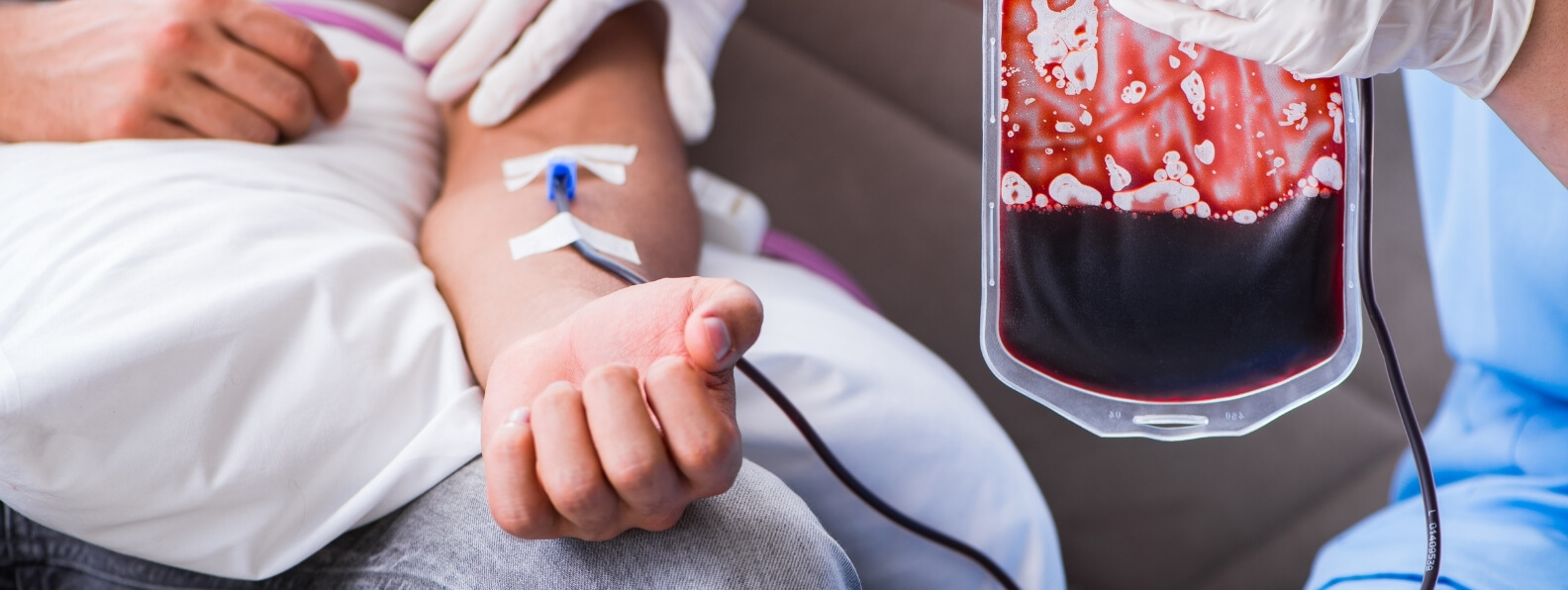
Severe anemia reduces the blood’s capacity to transport oxygen to the brain, heart, kidneys, and other metabolically active tissues. When oxygen delivery falls below cellular demand, the patient may develop myocardial ischemia, neurologic dysfunction, lactic acidosis, organ failure, or death.
Red blood cell transfusion is ordinarily the fastest and most effective way to restore oxygen-carrying capacity in life-threatening anemia. Hyperbaric oxygen therapy, commonly abbreviated as HBOT, may be considered when transfusion is not possible because compatible blood cannot be obtained, the patient declines blood products, severe hemolysis prevents effective transfusion, or an extraordinary blood shortage limits access.
The Undersea and Hyperbaric Medical Society recognizes severe anemia as a clinical indication for HBOT when transfusion cannot be performed. In this setting, HBOT is not intended to correct the anemia itself. It temporarily increases the amount of oxygen dissolved in plasma while bleeding is controlled and the patient produces new red blood cells. (UHMS)
The relevant hyperbaric indication is sometimes described as severe anemia or exceptional blood-loss anemia. It does not refer to every patient with a low hemoglobin level.
Routine iron-deficiency anemia, mild postoperative anemia, anemia of chronic disease, and stable nutritional anemia are generally treated by identifying the cause and restoring iron, vitamin, renal, marrow, or hormonal function. HBOT is reserved for exceptional circumstances in which oxygen delivery has become critically inadequate and red blood cell transfusion cannot be used promptly.
Potential scenarios include:
Current AABB guidance recommends considering transfusion at a hemoglobin concentration below approximately 7 g/dL for many hemodynamically stable hospitalized adults. That general threshold should not be confused with the much more critical condition in which HBOT may be considered. Transfusion decisions must account for active bleeding, symptoms, hemodynamics, cardiac disease, organ dysfunction, and the overall clinical context. (DOI)
Recent UHMS literature describes HBOT as a bridge for patients with severe anemia when transfusion is impossible because of religious objection, crossmatch incompatibility, or blood unavailability. The decision should be driven by evidence of inadequate tissue oxygen delivery rather than a hemoglobin number in isolation. (UHMS)
Most oxygen carried in blood is bound to hemoglobin. A much smaller quantity is dissolved directly in plasma.
A conventional pulse oximeter estimates the percentage of available hemoglobin binding sites occupied by oxygen. It does not measure how much hemoglobin is present. A patient with critically low hemoglobin can therefore display an oxygen saturation of 100 percent while having severely inadequate total oxygen content.
Clinical evidence of oxygen debt may include:
The relationship between hemoglobin concentration and clinical instability is not identical for every patient. A gradual decline may permit physiologic adaptation, while rapid blood loss can produce collapse at a higher measured hemoglobin. Fever, pain, sepsis, pregnancy, cardiac disease, and increased metabolic demand can further reduce tolerance.
During HBOT, the patient breathes oxygen while exposed to increased atmospheric pressure. This produces a marked increase in arterial oxygen tension and in the quantity of oxygen physically dissolved in plasma.
At sufficiently high treatment pressures, dissolved plasma oxygen can temporarily provide a substantial portion of resting tissue oxygen requirements even when hemoglobin is critically limited. Plasma can also move through functioning microvessels that may be difficult for red blood cells to traverse during low-flow or edematous states. (UHMS)
This physiologic effect is immediate but temporary. Oxygen delivery rises while the patient is breathing oxygen under pressure and then declines after decompression.
HBOT does not:
Its purpose is to relieve accumulating oxygen debt while definitive treatment takes effect. Studies evaluating blood counts have not shown HBOT itself to produce an immediate increase in hemoglobin, hematocrit, or red blood cell count. (PubMed)
Red blood cell production requires time. Even after erythropoietin, iron, folate, vitamin B12, and other deficiencies are addressed, the marrow cannot immediately replace a major loss of circulating red cells.
HBOT may create repeated periods of enhanced tissue oxygenation during this vulnerable interval. Treatments can be scheduled according to the return of clinical signs of oxygen debt, with the interval between sessions lengthened as hemoglobin rises and organ function stabilizes.
This pulsed strategy is conceptually different from a standard weekday wound-care course. Severe anemia may require urgent, prolonged, or repeated treatments within the first several days, accompanied by intensive care monitoring. UHMS guidance describes treatment pressures generally ranging from 2.0 to 3.0 atmospheres absolute, with air breaks and treatment duration adjusted to the patient’s clinical condition and recurrence of oxygen debt. (UHMS)
HBOT should be discontinued when the patient can maintain adequate oxygen delivery outside the chamber, transfusion becomes possible, or the risks of continued treatment exceed the expected benefit.
HBOT cannot compensate indefinitely for ongoing hemorrhage. The source of blood loss must be identified and controlled as quickly as possible.
Depending on the cause, this may require:
The treatment team should also determine which blood components, fractions, medications, and procedures the patient is willing or able to receive. A patient who declines red blood cell transfusion may accept some clotting factors, albumin, cell salvage, erythropoietin, or other therapies. Preferences vary and should never be assumed from religious identity alone. (AAFP)
For a patient with decision-making capacity, an informed refusal of transfusion should be respected and documented. The discussion should include the risk of irreversible organ injury or death, available alternatives, and the limitations of HBOT.
HBOT should be one component of a broader patient blood management strategy.
The plan may include:
Minimizing phlebotomy is especially important. Repeated laboratory testing can remove a clinically meaningful amount of blood from a patient who has almost no red cell reserve. Testing should be consolidated, performed only when it will alter management, and completed with the smallest practical sample volume. (AAFP)
Iron and erythropoiesis-stimulating agents should not be presented as immediate oxygen-delivery treatments. Their purpose is to accelerate red blood cell recovery over subsequent days. Adequate iron availability is necessary for an effective erythropoietic response.
Hemoglobin-based oxygen carriers have occasionally been used as emergency bridges when red blood cell transfusion is impossible. These products are designed to transport oxygen without intact donor red blood cells.
They are not routinely approved for general clinical use in the United States. Access may require emergency regulatory authorization, and potential adverse effects include vasoconstriction, hypertension, thrombosis, myocardial injury, and increased mortality. (AAFP)
Published cases have combined HBOT with an investigational hemoglobin-based oxygen carrier, iron, erythropoietin, hemostatic treatment, and intensive care support. These reports demonstrate what may be possible in exceptional circumstances, but they do not establish a standard protocol suitable for every hospital. (PubMed)
There is no single HBOT schedule appropriate for every patient with life-threatening anemia.
The prescription may account for:
UHMS describes initial treatment pressures in the range of approximately 2.0 to 3.0 ATA. Oxygen may be delivered in intervals separated by air breaks, and an initial session may continue for several hours in an unstable patient. Repeated treatment is then guided by the return of symptoms or laboratory evidence of oxygen debt. (UHMS)
This differs from routine elective HBOT protocols. A patient with exceptional anemia may require treatment outside normal operating hours, close coordination with the intensive care unit, and repeated physician reassessment.
Treatment should occur only in a hospital-based hyperbaric facility capable of managing the patient’s full acuity.
Patients with life-threatening anemia may require:
The chamber team must be able to maintain these interventions safely under pressure. Ventilators, infusion devices, monitoring equipment, vascular lines, and airway systems must be evaluated for hyperbaric compatibility.
A multiplace chamber may allow an attendant to remain with the patient, but it still requires trained inside and outside personnel. A monoplace chamber may accommodate a ventilated patient in selected facilities, but access during treatment is limited.
The decision to initiate HBOT should consider whether transporting the patient from the operating room or intensive care unit creates an unacceptable risk. The chamber should support critical care rather than interrupt it.
Hemoglobin concentration remains important, but treatment decisions should incorporate the complete physiologic picture.
Monitoring may include:
A falling lactate, improved cognition, resolution of ischemic changes, and stable organ function outside the chamber may support longer intervals between treatments. Recurrent acidosis, chest pain, confusion, hypotension, or organ dysfunction may indicate renewed oxygen debt.
No single hemoglobin concentration guarantees safety. The patient’s oxygen demand, cardiovascular reserve, rate of blood loss, and response to treatment all influence tolerance.
Hyperbaric treatment has recognized risks, including:
An untreated pneumothorax must be corrected before pressurization. Severe pulmonary disease, unstable cardiac conditions, seizure risk, and implanted devices require individualized evaluation.
Oxygen toxicity deserves particular attention because severe anemia protocols may involve relatively high pressures, prolonged exposure, or repeated sessions. Scheduled air breaks help limit uninterrupted oxygen exposure, but continuous clinical observation remains essential.
The practical risks may be greater than the direct chamber risks. Transporting an unstable patient away from the operating room, blood bank, or intensive care team can delay urgent intervention. HBOT is appropriate only when the facility can preserve the required level of care throughout preparation, treatment, and decompression.
The evidence for HBOT in severe anemia differs from the randomized trial evidence available for more common medical treatments.
A systematic review evaluated 35 publications describing the use of HBOT for severe anemia. The reports generally described favorable clinical outcomes, but the literature consisted largely of case reports, case series, physiologic studies, and expert experience rather than randomized controlled trials. (PubMed)
Randomized trials are difficult because the treatment is used in rare, life-threatening situations where transfusion is impossible. Patients also receive multiple simultaneous interventions, making it difficult to isolate the contribution of HBOT.
One frequently cited case involved a patient with massive obstetric hemorrhage whose hemoglobin fell to 2.0 g/dL. Management included critical care, ventilatory support, erythropoietin, and pulsed HBOT. The report demonstrates the bridge concept, but a single successful case cannot establish the expected outcome for other patients. (PubMed)
A 2021 case report similarly described HBOT as part of a bloodless management strategy for severe pernicious anemia. The case broadens the clinical experience but does not mean HBOT should routinely be used for vitamin B12 deficiency or other chronic anemias. (NCBI)
The most accurate interpretation is that HBOT has a strong physiologic rationale and supportive clinical experience as a rescue bridge, while high-certainty comparative evidence remains limited.
Patients with stable anemia generally need evaluation and treatment of the underlying cause.
That may include:
HBOT should not be marketed as a method for increasing routine energy levels, treating low ferritin, improving athletic performance, or correcting uncomplicated anemia.
A patient with iron deficiency needs iron and evaluation of the source of deficiency. A patient with marrow failure needs hematologic treatment. A patient with active bleeding needs hemostasis. Hyperbaric oxygen becomes relevant only when tissue oxygen delivery is critically threatened and ordinary restoration of red blood cell capacity is not immediately possible.
Clinical recognition does not guarantee insurance coverage.
Although UHMS recognizes severe anemia as a hyperbaric indication, the current Medicare National Coverage Determination explicitly lists exceptional blood-loss anemia as a nationally noncovered condition. (Centers for Medicare & Medicaid Services)
Commercial payer policies may differ, but emergency authorization and reimbursement can be challenging. Hospitals considering this service should address:
Coverage limitations should be discussed early, but financial questions should not delay clinically necessary emergency stabilization. The facility’s compliance, finance, and case-management teams may need to work alongside critical care and hyperbaric clinicians.
Severe anemia requiring HBOT is not solely a hyperbaric problem. It requires coordination among:
The team should establish a shared plan for controlling hemorrhage, minimizing additional blood loss, supporting erythropoiesis, monitoring organ function, and determining when HBOT can be reduced or discontinued.
For patients who decline transfusion, communication should remain respectful and precise. Declining one treatment does not mean declining all medical care. The team should clarify acceptable interventions privately, assess decision-making capacity, document the patient’s choices, and avoid making assumptions about which products or procedures the patient will accept. (AAFP)
HBOT for severe anemia is best understood as temporary physiologic support during an extraordinary emergency. It raises dissolved plasma oxygen while clinicians stop blood loss and rebuild red blood cell mass. It does not cure anemia, and it does not provide the sustained oxygen-carrying capacity of circulating red blood cells.
When transfusion is impossible and tissue oxygen debt is progressing, however, appropriately delivered HBOT may provide the time needed for definitive treatment and endogenous blood recovery to succeed.
A Practical Framework for Using Hyperbaric Oxygen in Tissue Salvage, Reconstruction, Trauma, Infection, and Radiation-Damaged Wounds Hyperbaric oxygen therapy, commonly

A Hospital Blueprint for Coordinated Diagnosis, Limb Preservation, Advanced Treatment, Hyperbaric Medicine, and Measurable Outcomes A multidisciplinary wound care program